
Sedition law: from Section 124A IPC to Section 152 BNS
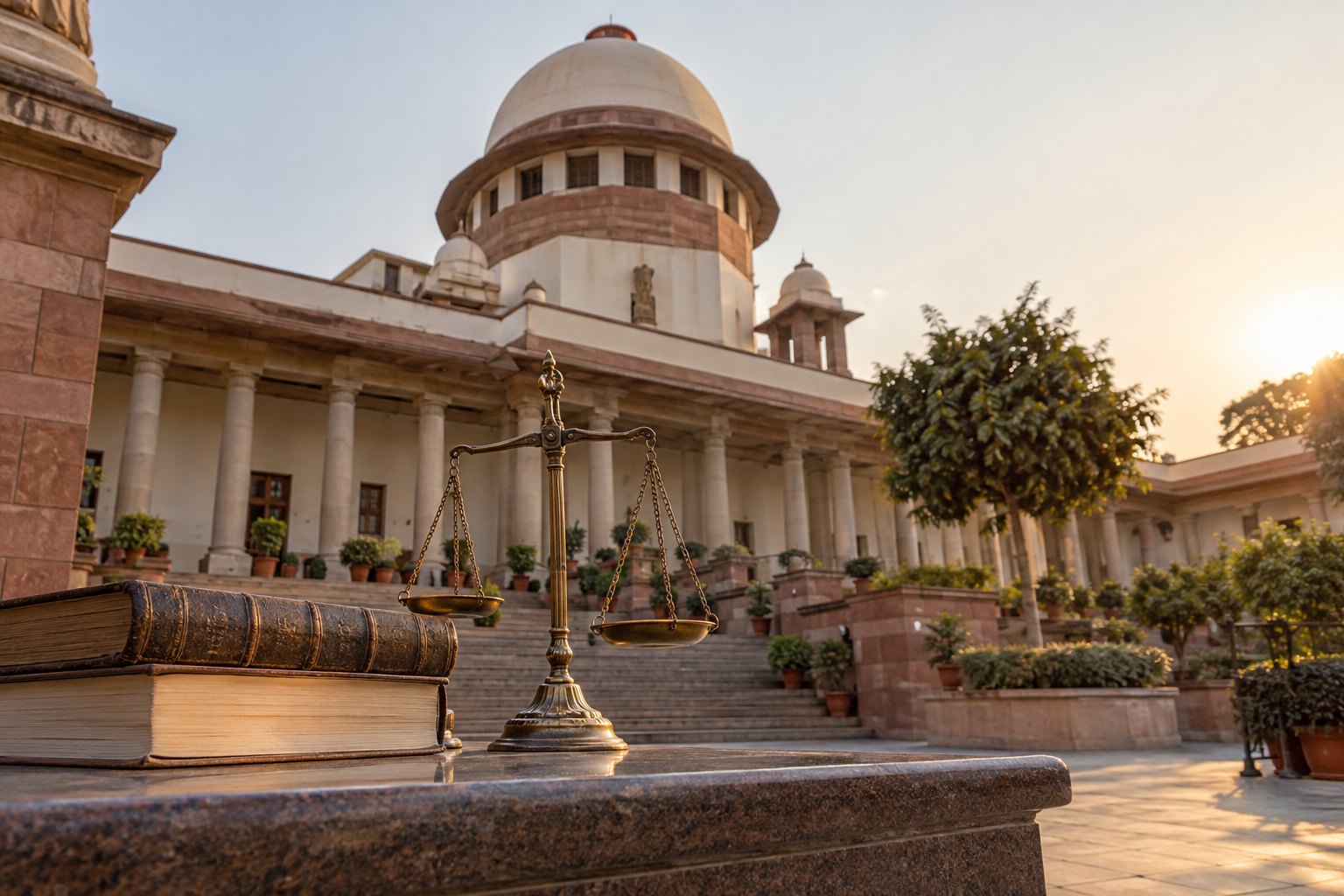
Sedition was the offence in section 124A of the Indian Penal Code, punishing exciting disaffection towards the government. Mahatma Gandhi pleaded guilty under it on 18 March 1922 and got six years. The Supreme Court kept it in abeyance on 11 May 2022. Section 152 of the Bharatiya Nyaya Sanhita, 2023 now punishes acts endangering India's sovereignty, unity and integrity.
Syllabus: GS2 · Constitution; Prelims · History & Culture; GS1 · Freedom Struggle
In short
Sedition, under section 124A of the Indian Penal Code, punished exciting disaffection towards the government; section 152 of the Bharatiya Nyaya Sanhita, 2023 now targets acts endangering India's sovereignty.
Section 152 should punish real threats to India's unity, not criticism; courts must hold it to the 1962 incitement test.
Why it matters
A journalist, a student or a cartoonist who attacks the government in strong words needs to know where criticism ends and crime begins. Under section 124A the test was a feeling: disaffection. That let colonial rulers jail Bal Gangadhar Tilak and Mahatma Gandhi for newspaper articles. Under the Supreme Court's 1962 reading, harsh criticism is protected by Article 19(1)(a) of the Constitution unless it incites violence or public disorder. Section 152 moves the test from feelings towards the government to acts against the country: secession, armed rebellion, subversive activities. Its fixed-term maximum is seven years, against three under section 124A, so how courts read "subversive activities" will decide how much speech it reaches.
Prelims pointers
- Section 124A, Indian Penal Code: not in the original Code of 1860; added in 1870. It made exciting disaffection towards the government established by law an offence.
- Explanation to section 124A: disaffection includes disloyalty and all feelings of enmity; disapproval of government measures without exciting hatred or contempt is no offence.
- Kedar Nath Singh v. State of Bihar (1962): a five-judge bench upheld section 124A but limited it to incitement to violence or intent to create public disorder.
- Article 19(2): lists the grounds for reasonable restrictions on free speech; sedition is not one of them. Public order was added by the First Amendment, 1951.
- Section 152, Bharatiya Nyaya Sanhita, 2023: headed "Act endangering sovereignty, unity and integrity of India"; the word sedition does not appear in it.
- Section 152 covers words, signs, visible representation, electronic communication and use of financial means, done purposely or knowingly.
- The Bharatiya Nyaya Sanhita, 2023 replaced the Indian Penal Code from 1 July 2024; the Bharatiya Nagarik Suraksha Sanhita, 2023 replaced the Code of Criminal Procedure, 1973.
- Young India: the English weekly edited by Mahatma Gandhi; its articles of 1921-22 were the basis of the 1922 charge.
Practise a UPSC-style question
With reference to section 152 of the Bharatiya Nyaya Sanhita, 2023, consider the following statements:
1. Its heading describes the offence as sedition against the Government established by law in India.
2. It covers acts done by electronic communication or by the use of financial means.
Which of the statements given above is/are correct?
- (a) 1 only
- (b) 2 only
- (c) Both 1 and 2
- (d) Neither 1 nor 2
Show the answer
Answer: (b) 2 only
1 is incorrect: the section is headed "Act endangering sovereignty, unity and integrity of India" and does not use the word sedition. 2 is correct: besides words, signs and visible representation, it names electronic communication and the use of financial means.
More Explainers
- State Legislative Councils: Articles 168-172 and the graduates' and teachers' seats Polity
- Whales and dolphins in Indian waters: legal protection, IUCN status and strandings Environment
- The Aligarh Movement, AMU and the Article 30 minority test Polity
- Environmental clearance by States: SEIAA, SEAC and the EIA Notification, 2006 Environment
- Software vulnerabilities: CVE, CVSS, coordinated disclosure and CERT-In's role Sci-Tech
- Drug trafficking law in India: NDPS Act, PIT-NDPS, NCB and NCORD National
- Choosing the UN Secretary-General: Article 97, UNSC veto and straw polls World & IR
- UN Convention against Torture, and why India has not ratified it Polity
- NavIC: why India's navigation constellation cannot give a standalone position Sci-Tech
- International Energy Agency: membership, 90-day oil stocks and India's status World & IR
- PM Surya Ghar: Muft Bijli Yojana and the rooftop solar subsidy Economy
- HFSS foods: FSSAI's draft limits and front-of-pack warning labels National