
Lead poisoning: sources, health effects and WHO's response
Why in news: On 15 October 2026 WHO urged faster action on lead exposure, ahead of International Lead Poisoning Prevention Week from 18 October.
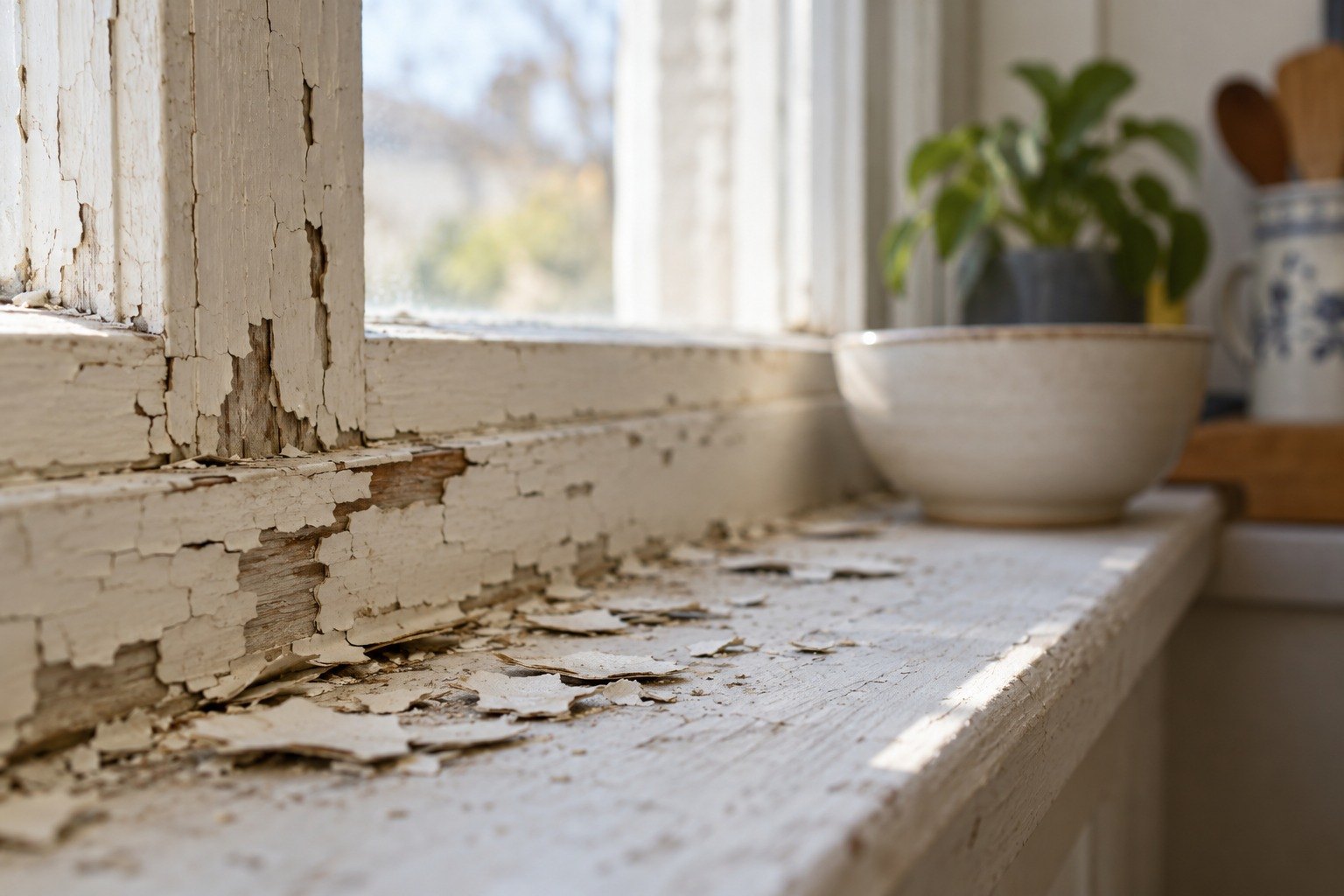
Lead poisoning is harm from a toxic metal taken in from paint, cookware, cosmetics, spices, informal recycling and industry; no level of exposure is known to be safe. On 15 October 2026 the World Health Organization urged countries to speed up prevention, ahead of International Lead Poisoning Prevention Week beginning 18 October.
Syllabus: Prelims · Environment & Ecology; Prelims · Science & Technology; GS2 · Health, Education & Human Resources
Why this matters for UPSC
GS2 Health and GS3 Environment (pollution). Prelims can ask WHO's ten chemicals of major public health concern, how lead is stored in the body and India's 90 ppm paint limit; Mains, about informal battery recycling and child health.
In short
Lead poisoning is the harm a naturally occurring toxic metal does once breathed in or swallowed; WHO knows no safe level of exposure, yet every case is preventable.
Lead harm cannot be undone, so prevention must sit upstream: enforce paint limits, formalise battery recycling and screen children's blood before damage sets in.
Why it matters
A toddler who chews a painted window sill, or a family that cooks with contaminated spice, takes in a poison that leaves no early sign. By the time a child struggles at school, the loss of learning and attention cannot be reversed, and the cost runs through a whole life of lower earnings and poorer health. Adults pay too, through heart attacks, strokes and failing kidneys. The poor carry more of the load: they more often live beside informal battery yards and are more often short of the calcium and iron that limit absorption. That makes lead a problem of environmental justice and child development, not only medicine, and because the damage is permanent, prevention at the source is the only real remedy.
Prelims pointers
- WHO's ten chemicals of major public health concern include lead, mercury, arsenic, cadmium, asbestos, benzene, dioxins, fluoride, air pollution and highly hazardous pesticides.
- Lead is stored in bones and teeth; bone lead re-enters the blood during pregnancy and exposes the developing fetus.
- Young children may absorb up to 4-5 times as much lead as adults from the same swallowed dose; calcium or iron deficiency raises absorption.
- WHO's 2021 clinical guidelines: at a blood lead concentration of 5 µg/dL or more, identify the source and stop the exposure.
- India's 90 ppm lead limit, set in 2016, covers manufacture, trade, import and export of household and decorative paints.
- The Battery Waste Management Rules, 2022 replaced the Batteries (Management and Handling) Rules, 2001 and cover electric vehicle, portable, automotive and industrial batteries.
- India phased lead out of petrol completely from February 2000, per the Ministry of Petroleum and Natural Gas.
Practise a UPSC-style question
With reference to lead in the human body, consider the following statements:
1. Lead that enters the body is stored mainly in the teeth and bones, where it accumulates over time.
2. Lead stored in bone can be released into the blood during pregnancy and expose the developing fetus.
3. Children deficient in calcium or iron absorb more lead than well-nourished children.
Which of the statements given above is/are correct?
- (a) 1 and 2 only
- (b) 2 and 3 only
- (c) 1 and 3 only
- (d) 1, 2 and 3
Show the answer
Answer: (d) 1, 2 and 3
Answer: (d) 1, 2 and 3. All three describe how lead is absorbed and stored, as WHO's fact sheet sets out.
Statement 1: correct. Lead reaches the brain, liver, kidneys and bones, and is stored in teeth and bones, building up over years, per WHO.
Statement 2: correct. Bone is a store, not a sink: in pregnancy bone lead returns to the blood and becomes a source of exposure for the fetus.
Statement 3: correct. WHO notes malnourished children absorb more lead when other nutrients, especially calcium or iron, are deficient.
Eliminate: statement 2 is WHO's own account of fetal exposure, so it is right. Out: (c).
Eliminate: statement 1 is the basic storage fact, so it is right as well. Out: (b).
Eliminate: statement 3 matches WHO's note on calcium and iron, so it is right. Out: (a).
Trap: Sounds right. A student who thinks bone lead is locked away for good may wrongly mark statement 2 false.
Remember: Lead is stored in bones and teeth; pregnancy and poor nutrition raise the danger.
More Explainers
- State Legislative Councils: Articles 168-172 and the graduates' and teachers' seats Polity
- Whales and dolphins in Indian waters: legal protection, IUCN status and strandings Environment
- The Aligarh Movement, AMU and the Article 30 minority test Polity
- Environmental clearance by States: SEIAA, SEAC and the EIA Notification, 2006 Environment
- Software vulnerabilities: CVE, CVSS, coordinated disclosure and CERT-In's role Sci-Tech
- Drug trafficking law in India: NDPS Act, PIT-NDPS, NCB and NCORD National
- Choosing the UN Secretary-General: Article 97, UNSC veto and straw polls World & IR
- UN Convention against Torture, and why India has not ratified it Polity
- NavIC: why India's navigation constellation cannot give a standalone position Sci-Tech
- International Energy Agency: membership, 90-day oil stocks and India's status World & IR
- PM Surya Ghar: Muft Bijli Yojana and the rooftop solar subsidy Economy
- HFSS foods: FSSAI's draft limits and front-of-pack warning labels National