
ICJ finds Myanmar committed genocide against the Rohingya: first such ruling
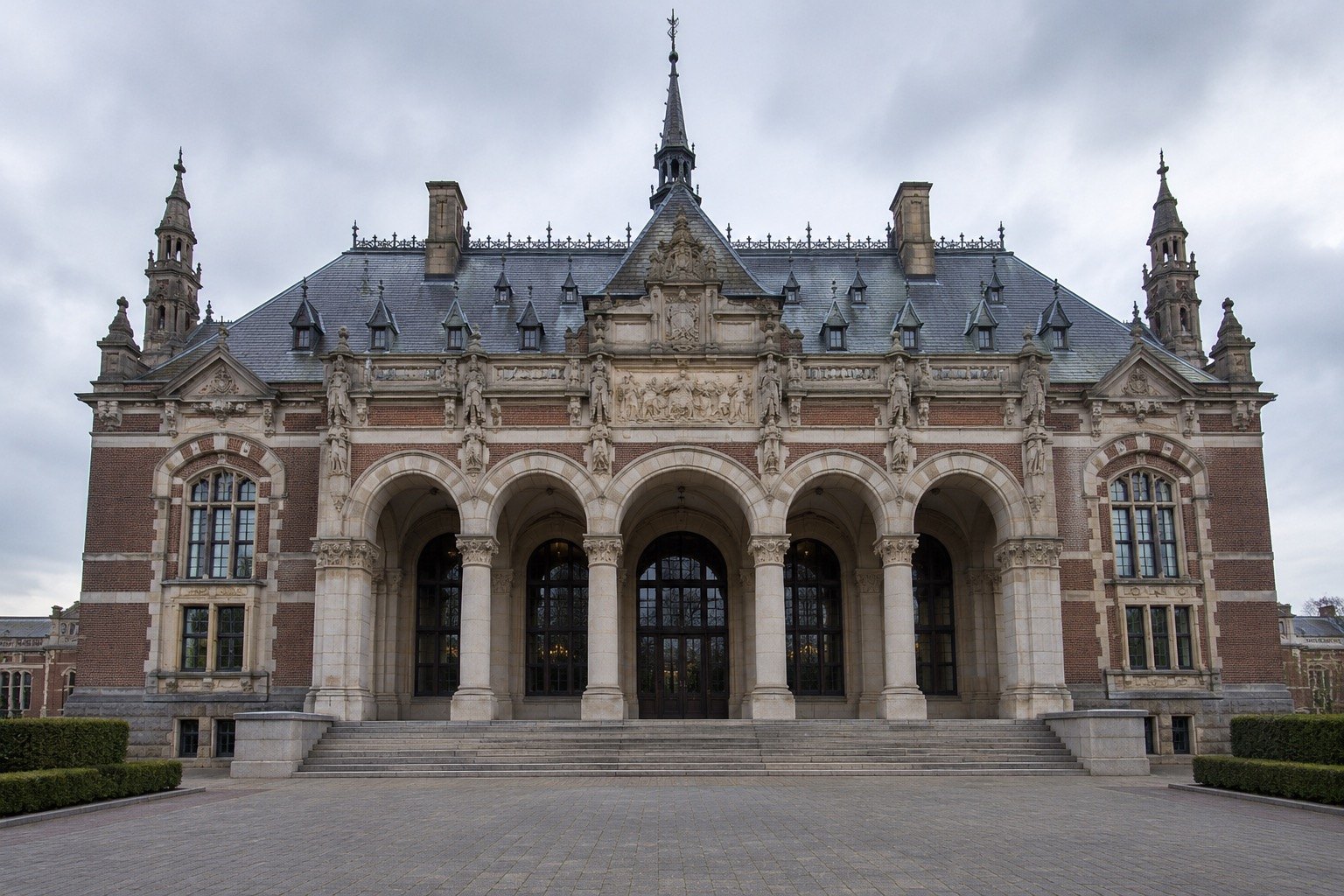
The International Court of Justice (ICJ) held on 19 November 2026 that Myanmar committed genocide against the Rohingya in northern Rakhine State, breaching the Genocide Convention, 1948. It is the first time the Court has found a State itself guilty of genocide. Myanmar must investigate suspects, let the Rohingya return safely and pay compensation.
Syllabus: Prelims · Current Affairs & IR; GS2 · India & its Neighbourhood; GS2 · International Institutions
Why this matters for UPSC
GS2 international institutions: the ICJ and the Genocide Convention. Prelims can ask Article II's acts and ICJ jurisdiction; Mains, enforcing judgments against States.
Why it matters
A Rohingya family living in a camp in Bangladesh now holds a binding finding that what drove it from its village was genocide. It also holds an order that it may go home only safely, voluntarily and with dignity. That matters because the Rohingya are not recognised as citizens by Myanmar, so a forced return would send people back to the same exclusion. For Myanmar, the ruling turns an accusation into an obligation it must answer for before the Court. For neighbours that host Rohingya refugees, India among them, it offers a standard against which any return deal can be measured, though it binds only the two parties. It also shows that a small State can hold another to account under a treaty both have joined.
Prelims pointers
- Article II of the Genocide Convention lists five acts; besides killing, it covers forcibly moving a group's children to another group and inflicting life conditions calculated to destroy it.
- Article III of the Convention makes punishable not only genocide but also conspiracy, direct and public incitement, attempt and complicity.
- The ICJ, set up by the UN Charter in 1945, has 15 judges elected for nine years and sits in the Peace Palace at The Hague.
- The ICJ hears contentious cases only between States, and only with their consent, which a State may give in advance through a clause in a treaty.
- ICJ versus ICC: the ICJ decides a State's responsibility in disputes between States, while the ICC, under the Rome Statute, tries individuals. Both sit in The Hague.
- An ICJ judgment binds only the parties in that case and is final. Under Article 94 of the UN Charter, non-compliance can be taken to the Security Council.
- All UN Members are automatically parties to the ICJ Statute (Article 93 of the UN Charter); the General Assembly or Security Council may seek advisory opinions (Article 96).
- Rakhine State, also called Arakan, lies in western Myanmar and borders Bangladesh; most Rohingya, a largely Muslim minority, come from there.
Practise a UPSC-style question
With reference to the Genocide Convention, 1948, consider the following statements:
1. Its definition of genocide covers acts meant to destroy a political group as such.
2. It protects national, ethnical, racial and religious groups against acts aimed at destroying them.
3. Forcibly transferring children of a group to another group is one of the acts it treats as genocide.
Which of the statements given above are correct?
- (a) 1 and 2 only
- (b) 2 and 3 only
- (c) 1 and 3 only
- (d) 1, 2 and 3
Show the answer
Answer: (b) 2 and 3 only
Answer: (b) 2 and 3 only. Article II names four protected groups and five acts; political groups are not among them.
Statement 1: incorrect. Article II of the Convention protects national, ethnical, racial and religious groups; a political group is not listed.
Statement 2: correct. Article II covers acts done with intent to destroy such a group in whole or in part.
Statement 3: correct. Forcible transfer of a group's children to another group is the fifth act in Article II.
Eliminate: Statement 1 is false because political groups are missing from the list. Out: (a), (c), (d).
Trap: Sounds right. Political killings are often called genocide in public debate, so a political group feels as if it should be covered by the Convention.
Remember: Genocide Convention: four groups (national, ethnical, racial, religious), five acts.
Explainers on this topic
More from the 21 November 2026 edition
- India's indigenous H5N1 avian influenza vaccine for chickens dedicated to nation Sci-Tech
- Supreme Court dismisses Karnataka appeal, leaving bike-taxi permit ruling standing Polity
- Project Cheetah: Botswana-born female's four wild cubs lift count to 62 Environment
- Supreme Court dismisses Tamil Nadu's Cauvery shortfall plea against Karnataka Polity
- EAC recommends Terms of Reference for mines near Great Indian Bustard area Environment
- Health Ministry releases national guidelines on wastewater surveillance for pathogens Sci-Tech
- Press Council's 2026 norms ask Government to avoid NSA, UAPA against journalists Polity
- Supreme Court holds Gram Sabha consent mandatory for Scheduled Area acquisition Polity
- Supreme Court orders checks on alleged fake Form 7 deletions in Mustafabad Polity