
Contempt of court: who can punish it, and how far
Why in news: On 23 November 2026, the Supreme Court, in oral observations, questioned a Bihar sessions judge who had convicted a police chief under BNSS Section 384.
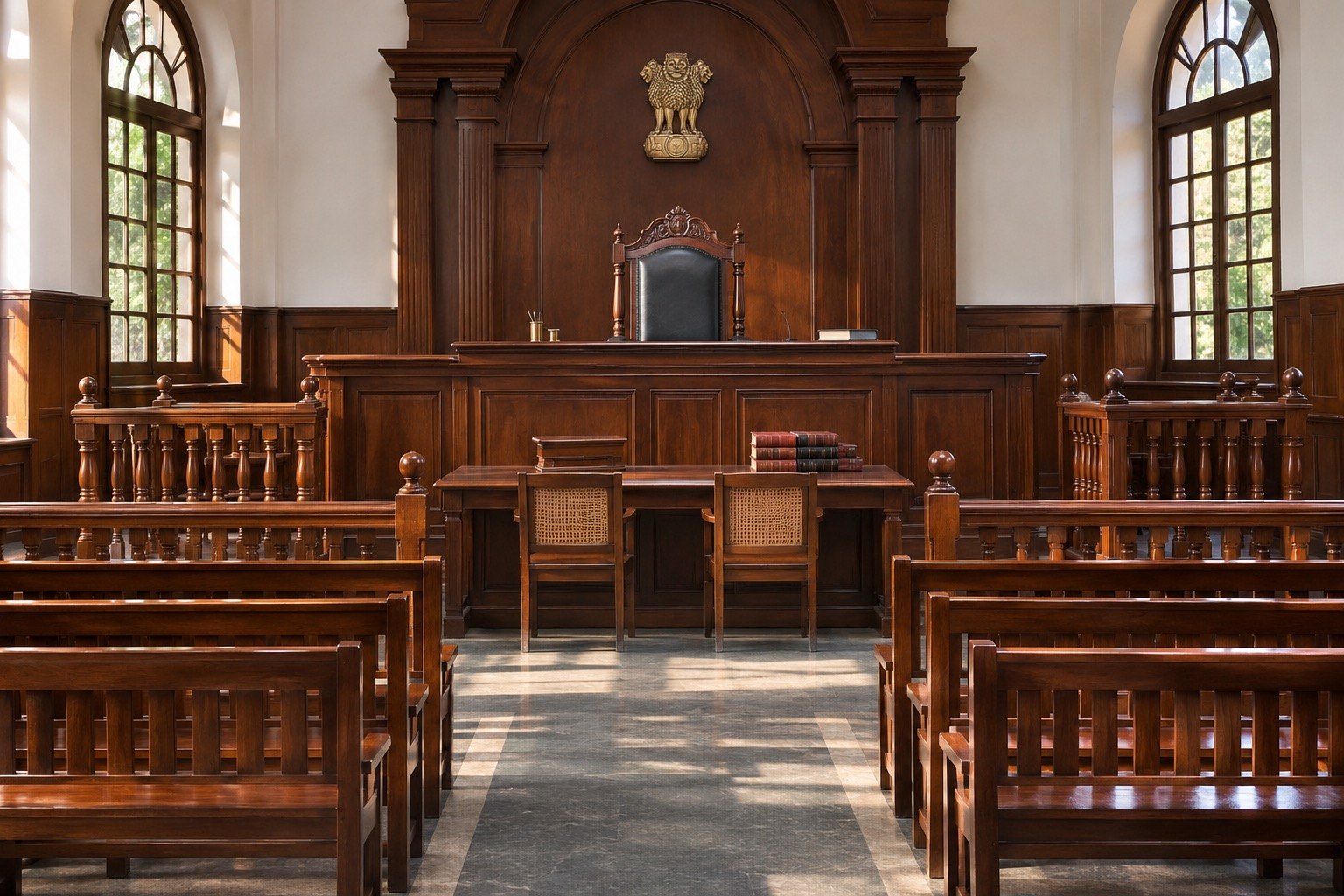
Contempt of court is wilful defiance of a court or conduct that scandalises it or obstructs justice. Articles 129 and 215 let the Supreme Court and High Courts punish contempt of themselves, and the Contempt of Courts Act, 1971 sets the rules. On 23 November 2026, the Supreme Court orally questioned a Bihar judge's use of BNSS Section 384.
Syllabus: GS2 · Constitution; Prelims · Polity & Governance; GS2 · Executive & Judiciary
Why this matters for UPSC
GS2 polity: the judiciary, Articles 129 and 215 and the Contempt of Courts Act, 1971. Prelims can ask contempt types, punishment and defences; Mains, contempt versus free speech.
In short
Contempt of court means wilful defiance of a court or conduct that scandalises it or obstructs justice; the Constitution grants the punishing power; the 1971 Act limits it.
The contempt power should stay narrow and quick: enough to make orders obeyed and courts respected, never a shield against fair criticism of judges.
Why it matters
A litigant who wins a case needs the order obeyed, and contempt law is how a court makes an official or a rival party comply. A journalist or a citizen who criticises judges meets the same law, since words that scandalise a court can be punished. Both sides of this balance matter. Too little power leaves court orders on paper and lets trial judges be insulted without answer. Too much power can silence fair comment on the judiciary and turn a judge into accuser and judge in the same case. Clear routes, such as a trial court sending a complaint of defiance up to the High Court, keep the power quick, narrow and fair.
Prelims pointers
- Look-alikes: civil contempt rests on wilful disobedience of an order or a broken undertaking; criminal contempt on scandalising a court, prejudicing proceedings or obstructing justice.
- The 1971 Act caps punishment at six months' simple imprisonment, a fine of Rs 2,000, or both; for civil contempt a court may order civil-prison detention instead.
- No sentence follows under the 1971 Act unless the contempt substantially interferes, or tends to, with the due course of justice.
- A court may accept truth as a defence if satisfied that it serves the public interest and the plea is bona fide.
- For the Supreme Court, criminal contempt outside the courtroom needs its own motion or the Attorney-General's or Solicitor-General's motion or written consent.
- No contempt proceeding may begin more than one year after the date of the alleged contempt.
- Law Commission Report No. 274 (2018) advised no change to the definition of criminal contempt; England and Wales abolished scandalising the court in 2013.
Practise a UPSC-style question
With reference to the contempt powers of the higher judiciary, consider the following statements:
1. Article 215 of the Constitution declares the Supreme Court to be a court of record.
2. Article 129 of the Constitution gives the Supreme Court the power to punish for contempt of itself.
Which of the statements given above is/are correct?
- (a) 1 only
- (b) 2 only
- (c) Both 1 and 2
- (d) Neither 1 nor 2
Show the answer
Answer: (b) 2 only
Answer: (b) 2 only. Article 129 covers the Supreme Court; Article 215 covers the High Courts.
Statement 1: incorrect. Article 215 makes every High Court a court of record; the Supreme Court gets that status from Article 129.
Statement 2: correct. Article 129 makes the Supreme Court a court of record with all its powers, including the power to punish for contempt of itself.
Eliminate: statement 1 swaps the two Articles, so it is wrong. Out: (a), (c).
Eliminate: statement 2 is the text of Article 129. Out: (d).
Trap: Look-alike names. Articles 129 and 215 carry the same words for two different courts, and the question swaps them.
Remember: Article 129 for the Supreme Court, Article 215 for the High Courts; both are courts of record.
More Explainers
- Kalinga's maritime heritage: Boita Bandana and Bali Jatra National
- Eighth Schedule: India's 22 Scheduled Languages Polity
- Basavanna, the Vachanas and the Lingayat tradition Miscellany
- Ibisbill: the wader of the Himalaya's braided, stony rivers Environment
- Dancing Girl of Mohenjo-daro and Harappan ornaments: what Indus craftsmen made Miscellany
- BNSS safeguards for women and police powers over assemblies Polity
- India's marine turtles: nesting sites, arribada and protection Environment
- Geographical indications: how a GI is registered, opposed and protected Economy
- Malus and clawback: the RBI's pay rules for bank executives Economy
- New START's end: strategic arms control and the NPT's disarmament duty World & IR
- Gyan Bharatam Mission and the National Mission for Manuscripts National
- The Ahom kingdom and the Battle of Saraighat National