
Geographical indications: how a GI is registered, opposed and protected
Why in news: After a final hearing, the GI Registry has reserved its decision on Konkan growers' opposition to a Valsad Hapus application.
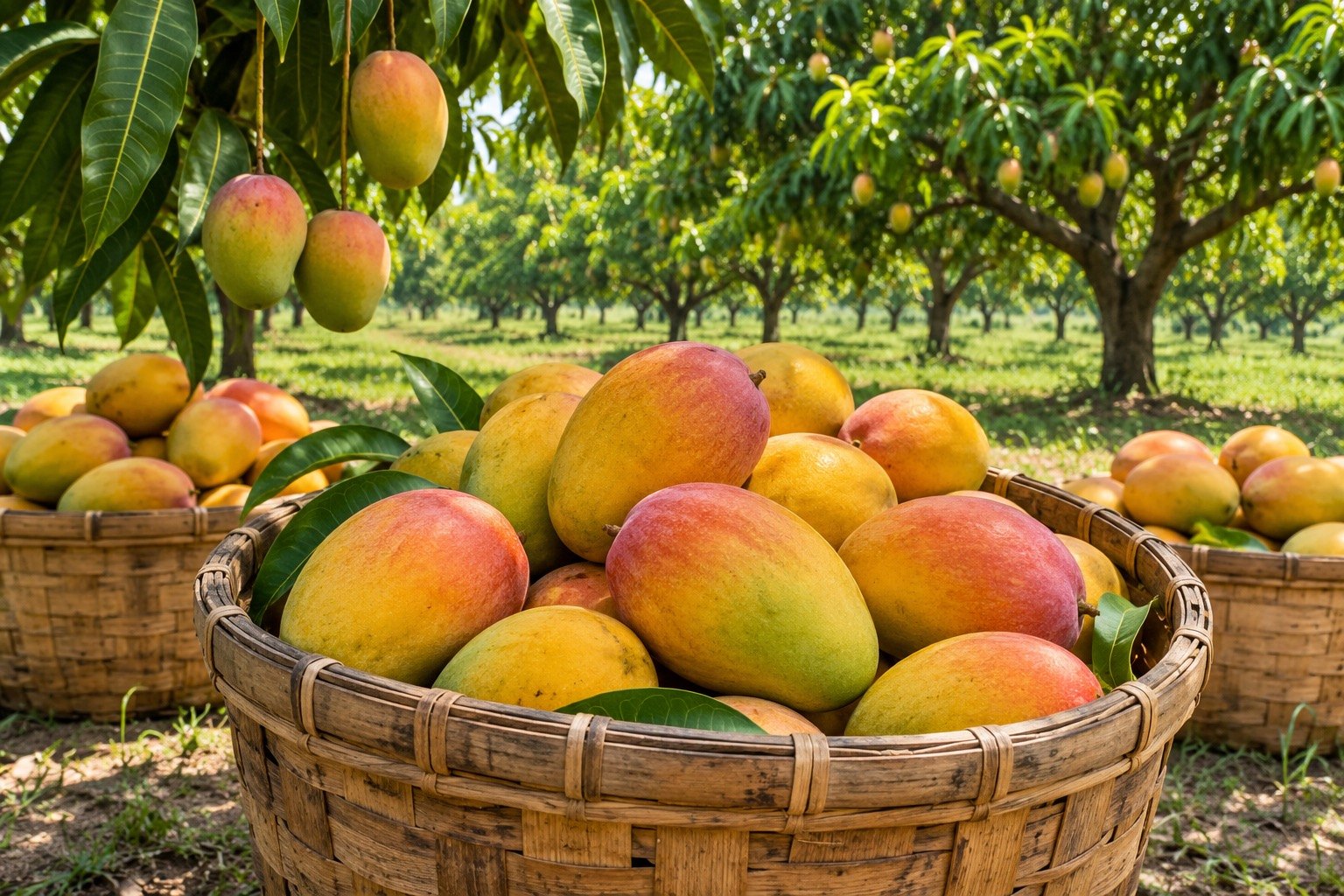
A geographical indication (GI) shows that goods come from a place whose qualities or reputation are owed to that origin. India protects GIs under the Geographical Indications of Goods (Registration and Protection) Act, 1999. The GI Registry has reserved its decision on Konkan growers' opposition to a Valsad Hapus tag for Gujarat mangoes.
Syllabus: Prelims · Current Affairs & IR; GS3 · Agriculture & Irrigation; GS3 · IT, Space, Biotech & IPR
Why this matters for UPSC
GS3 economy: intellectual property rights, through the GI Act, 1999 and the TRIPS Agreement. Prelims asks what a GI protects and its term; Mains, how GIs guard producers.
In short
A geographical indication (GI) marks goods whose quality, reputation or other trait is essentially owed to their place of origin; India protects it under the GI Act, 1999.
A GI is worth only as much as its enforcement; the Registry must weigh neighbouring traditions against buyer confusion while producers make genuine goods traceable.
Why it matters
A mango grower in Ratnagiri who is registered under the Alphonso tag can sell under that name, and the name is shielded from use on mangoes from elsewhere. That protection is what turns a region's reputation into income for its own farmers. Konkan growers fear that if a second region gets the same name, shoppers will not know which fruit they are buying, and the premium may thin. Valsad's applicants argue that their region has its own tradition of growing Alphonso and that its fruit has distinctive qualities. The larger question is how India shares a valuable name between neighbours without misleading buyers.
Prelims pointers
- Under the GI Act, 1999, a name that is not a place name can still be a GI if it relates to a specific area and its goods.
- For manufactured goods to carry a GI, at least one of production, processing or preparation must take place in the named territory, region or locality.
- An authorised user's registration lasts ten years or until the GI's own registration expires, whichever comes first, under the 1999 Act.
- GI or trade mark: TRIPS Article 22 requires members to refuse or invalidate a trade mark carrying a GI that misleads the public about the goods' true origin.
- Article 22 of TRIPS defines GIs and bars misleading use; Article 23 gives wines and spirits extra protection, even when true origin is stated.
- Under the 1999 Act, a 'producer' of agricultural goods includes the person who processes or packages them, not only the one who grows them.
- PIB's December 2022 release named Gamosa (Assam), Tandur Redgram (Telangana), Raktsey Karpo Apricot (Ladakh) and Alibag White Onion (Maharashtra) among new GIs.
Practise a UPSC-style question
With reference to the Geographical Indications of Goods (Registration and Protection) Act, 1999, consider the following statements:
1. Foodstuff and handicrafts are among the goods for which a geographical indication may be registered.
2. For manufactured goods, every stage of production, processing and preparation must take place in the named region.
3. A name that is not the name of any place can be registered as a geographical indication if it relates to a specific geographical area and is used on goods from there.
Which of the statements given above is/are correct?
- (a) 1 and 2 only
- (b) 2 and 3 only
- (c) 1 and 3 only
- (d) 1, 2 and 3
Show the answer
Answer: (c) 1 and 3 only
Answer: (c) 1 and 3 only. The Act covers a wide range of goods and non-place names, but asks for only one stage of manufacture locally.
Statement 1: correct. The 1999 Act defines goods as agricultural, natural or manufactured goods, goods of handicraft or of industry, and foodstuff.
Statement 2: incorrect. For manufactured goods the Act needs at least one of production, processing or preparation to happen in that territory, region or locality.
Statement 3: correct. An Explanation in the Act's definition lets a name that is not a place name count as a GI when it relates to a specific geographical area.
Eliminate: Statement 2 is the surest: the Act asks for one of the activities, not all of them, so it is incorrect. Out: (a), (b), (d).
Trap: Wrong scope. Statement 2 widens 'one of the activities' into 'every stage', a stricter test than the Act sets.
Remember: Manufactured GI goods need just one of production, processing or preparation in the named place.
More Explainers
- Kalinga's maritime heritage: Boita Bandana and Bali Jatra National
- Eighth Schedule: India's 22 Scheduled Languages Polity
- Basavanna, the Vachanas and the Lingayat tradition Miscellany
- Ibisbill: the wader of the Himalaya's braided, stony rivers Environment
- Dancing Girl of Mohenjo-daro and Harappan ornaments: what Indus craftsmen made Miscellany
- BNSS safeguards for women and police powers over assemblies Polity
- India's marine turtles: nesting sites, arribada and protection Environment
- Malus and clawback: the RBI's pay rules for bank executives Economy
- Contempt of court: who can punish it, and how far Polity
- New START's end: strategic arms control and the NPT's disarmament duty World & IR
- Gyan Bharatam Mission and the National Mission for Manuscripts National
- The Ahom kingdom and the Battle of Saraighat National