
Basavanna, the Vachanas and the Lingayat tradition
Why in news: In November 2026 the Karnataka government ordered a book on Basavanna forfeited under Section 98 of the Bharatiya Nagarik Suraksha Sanhita, 2023.
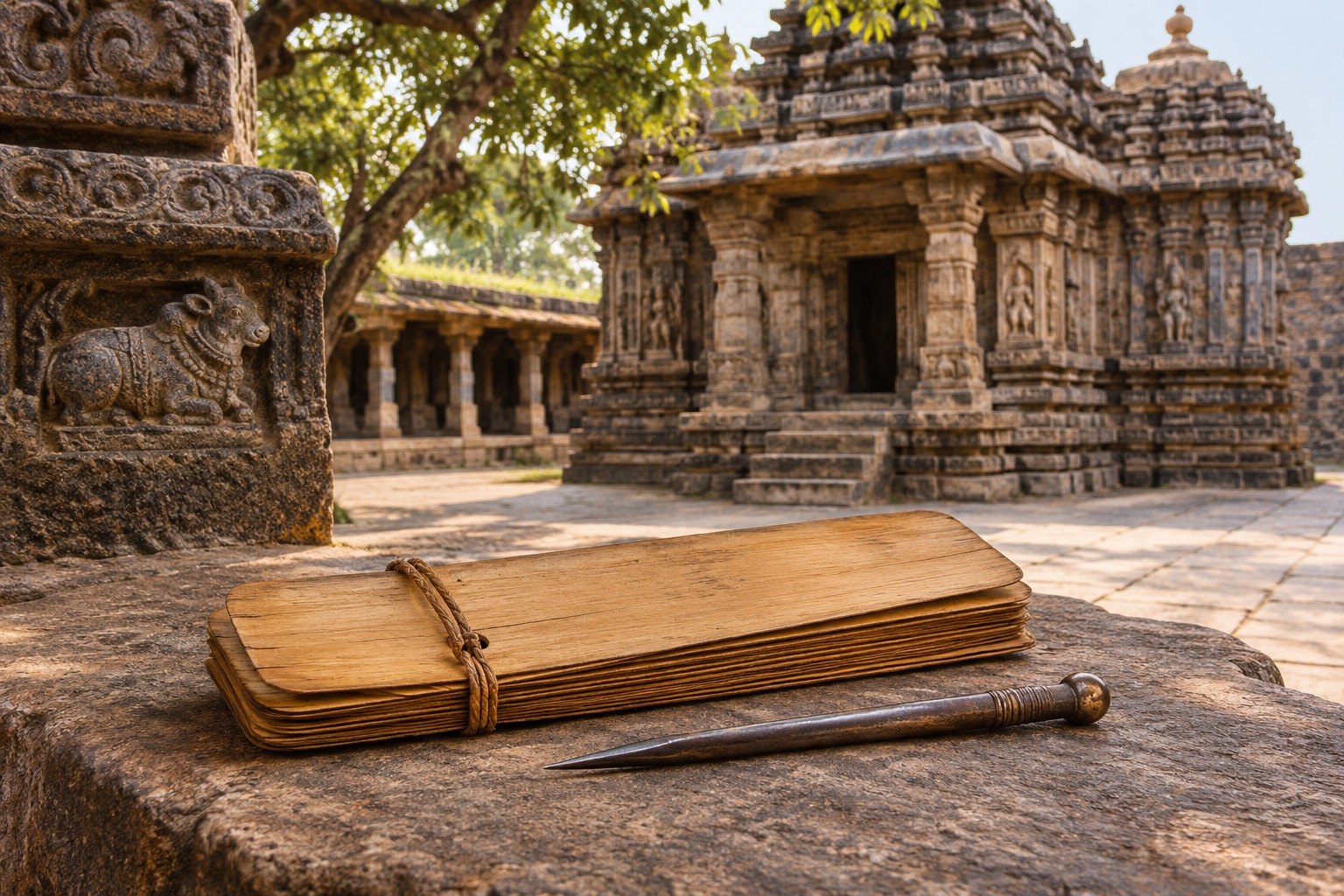
Basavanna (1106-68) was a twelfth-century reformer of Karnataka who served as minister to a Kalachuri king. His Virashaiva, or Lingayat, movement rejected caste and ritual pollution, backed widow remarriage and spread its message through Kannada sayings called vachanas. A November 2026 order forfeiting a book about him has revived interest in his ideas.
Syllabus: GS1 · Art & Culture; Prelims · History & Culture; GS4 · Moral Thinkers
Why this matters for UPSC
GS1 culture: the Bhakti movement, Basavanna and the Virashaiva tradition of Karnataka. Prelims can match saints, languages and traditions; Mains asks about reform through the Vachanas.
In short
Basavanna (1106-68) led the twelfth-century Virashaiva movement in Karnataka, a Shaiva strand of bhakti that used Kannada Vachanas to attack caste, ritual and gender bias.
Basavanna's lasting value lies in joining devotion to equality; his Vachanas deserve to be read as history, with evidence kept apart from later claims.
Why it matters
Students of history and society meet Basavanna whenever they write on caste, gender or social reform. His movement shows how ordinary men and women, including those the caste order pushed to the margins, gained a voice through songs in their own language. Its practices changed daily life: a widow could marry again, and funerals followed the community's belief, not priestly rites. For Karnataka the tradition remains a living identity, so disputes over how Basavanna is portrayed quickly become disputes over law and free speech. For an aspirant, the lesson is that reform in medieval India often travelled through devotion, assemblies and vernacular poetry.
Prelims pointers
- Virashaiva means 'heroes of Shiva'; Lingayat means 'wearers of the linga'. Both name the followers of Basavanna.
- Alvars were devotees of Vishnu and Nayanars devotees of Shiva; both sang in Tamil. The Virashaivas composed their vachanas in Kannada.
- The Nalayira Divyaprabandham, compiled by the tenth century from the twelve Alvars, was called the Tamil Veda; the Tevaram gathers poems of Appar, Sambandar and Sundarar.
- Historians divide bhakti into saguna, worship of a deity with attributes such as Shiva or Vishnu, and nirguna, worship of an abstract god.
- Andal was a woman Alvar devoted to Vishnu; Karaikkal Ammaiyar, a devotee of Shiva, belonged to the Nayanar tradition.
- A Section 98 BNSS forfeiture can be challenged only in the High Court, before a Special Bench of three judges, or of all its judges if fewer.
Practise a UPSC-style question
With reference to the Virashaiva tradition of Karnataka, consider the following statements:
1. Basavanna, who led the movement, served as a minister in the court of a Chola ruler.
2. The Lingayats worship Shiva in his manifestation as a linga.
3. The Lingayats encouraged widow remarriage, a practice the Dharmashastras disapproved of.
Which of the statements given above is/are correct?
- (a) 1 and 2 only
- (b) 2 and 3 only
- (c) 1 and 3 only
- (d) 1, 2 and 3
Show the answer
Answer: (b) 2 and 3 only
Answer: (b) 2 and 3 only. Basavanna served a Kalachuri king, not a Chola one; the other two statements hold.
Statement 1: incorrect. Basavanna (1106-68) was a minister at the court of a Kalachuri ruler; the Cholas ruled the Tamil region and backed Tamil bhakti.
Statement 2: correct. Lingayats worship Shiva as a linga, and men usually wear a small linga in a silver case over the left shoulder.
Statement 3: correct. The Lingayats encouraged post-puberty marriage and the remarriage of widows, both disapproved in the Dharmashastras.
Eliminate: statement 1 swaps the Kalachuri court for a Chola one, so it is false. Out: (a), (c), (d).
Trap: Swapped attribution. A true fact, Basavanna's ministerial post, is pinned on the wrong dynasty, one a student links with south Indian bhakti.
Remember: Basavanna was a minister to a Kalachuri king in Karnataka.
More Explainers
- Kalinga's maritime heritage: Boita Bandana and Bali Jatra National
- Eighth Schedule: India's 22 Scheduled Languages Polity
- Ibisbill: the wader of the Himalaya's braided, stony rivers Environment
- Dancing Girl of Mohenjo-daro and Harappan ornaments: what Indus craftsmen made Miscellany
- BNSS safeguards for women and police powers over assemblies Polity
- India's marine turtles: nesting sites, arribada and protection Environment
- Geographical indications: how a GI is registered, opposed and protected Economy
- Malus and clawback: the RBI's pay rules for bank executives Economy
- Contempt of court: who can punish it, and how far Polity
- New START's end: strategic arms control and the NPT's disarmament duty World & IR
- Gyan Bharatam Mission and the National Mission for Manuscripts National
- The Ahom kingdom and the Battle of Saraighat National