
CSIR-CCMB finds DZIP3, a protein that helps cells sense viral RNA
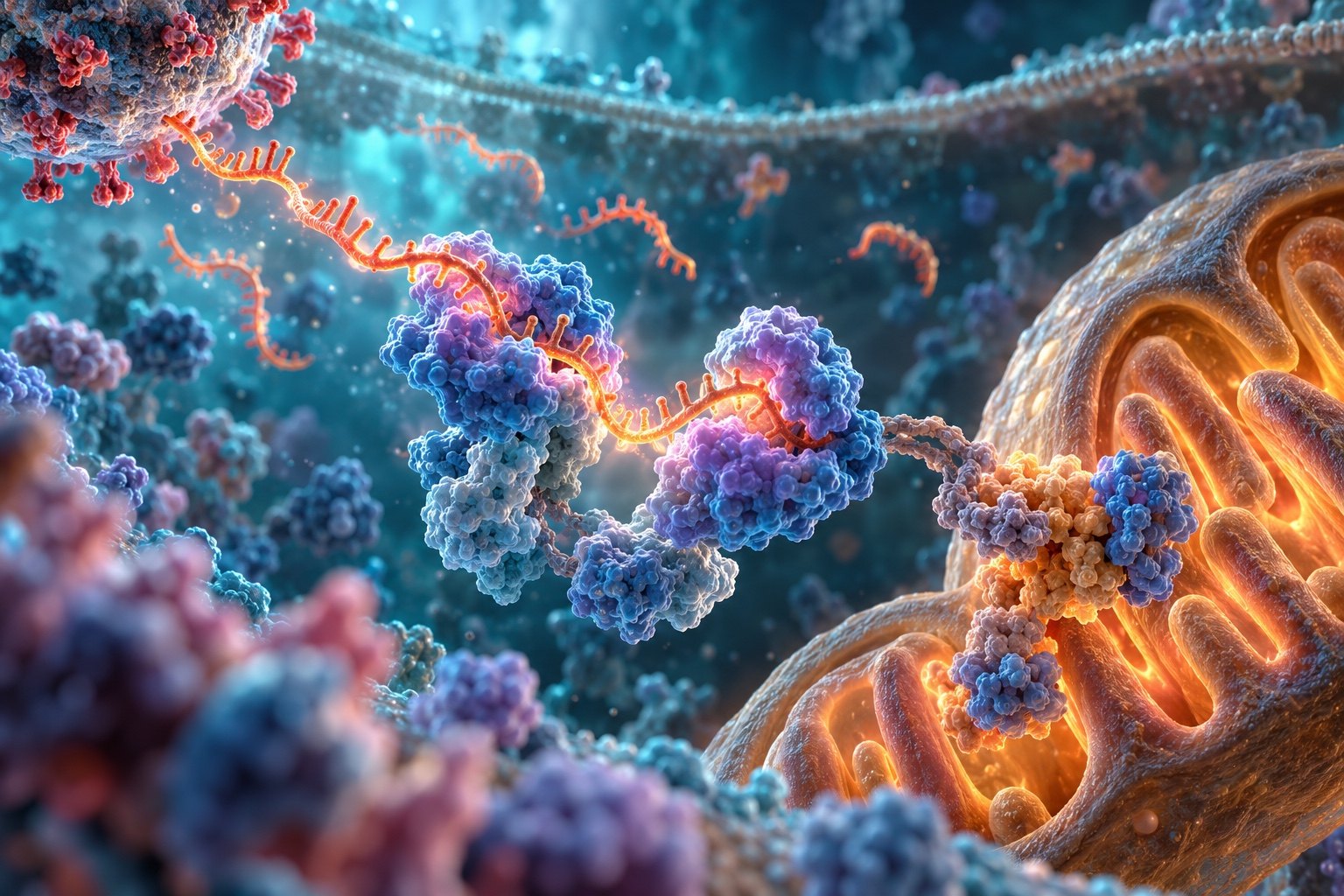
A team at Hyderabad's CSIR-Centre for Cellular and Molecular Biology (CCMB) has found that the human protein DZIP3 detects viral RNA and sets off the cell's antiviral alarm. Working with the RIG-I sensor at the mitochondria, it triggers Type-I interferons. The team found the pathway restricts SARS-CoV-2, Chikungunya and Japanese Encephalitis viruses.
Syllabus: Prelims · Science & Technology; GS3 · Indian Achievements in S&T; GS3 · IT, Space, Biotech & IPR
Why this matters for UPSC
GS3 Science and Technology, on biotechnology and achievements of Indians in science. Prelims can ask about innate and adaptive immunity, Type-I interferons, RIG-I and how Japanese Encephalitis and Chikungunya spread; Mains, about broad-spectrum antivirals.
Why it matters
When a virus enters a cell, speed matters: a cell that raises the alarm early can slow the virus before it spreads. Many viruses that trouble India, such as those behind Chikungunya and Japanese Encephalitis, have no specific antiviral medicine, so doctors can only ease the symptoms. A drug that strengthens the body's own alarm, instead of attacking one virus, could in principle work against many viruses at once, including new ones that appear before any vaccine exists. That is still a plan, but the finding shows how publicly funded Indian laboratories feed basic science into pandemic preparedness.
Prelims pointers
- RIG-I prefers short double-stranded RNA with a 5′-triphosphate end; MDA5 binds long double-stranded RNA; LGP2, the third RIG-I-like receptor, lacks the CARD domains that signal.
- Toll-like receptors sense microbial patterns at the cell surface and in endosomes; NOD-like receptors sense bacterial parts in the cytosol; C-type lectin receptors mainly recognise fungi.
- MAVS sits on mitochondrial and peroxisomal membranes; its signal activates NF-κB and IRF3, which switch on Type-I interferons and other antiviral genes.
- Japanese Encephalitis virus is a flavivirus spread by Culex tritaeniorhynchus mosquitoes, with pigs and wild birds as hosts; vaccines exist, but there is no antiviral treatment.
- Chikungunya virus, an alphavirus of the family Togaviridae, is spread by Aedes aegypti and Aedes albopictus, daytime biters that also carry dengue and Zika.
- B lymphocytes become plasma cells that make antibodies; T lymphocytes attack antigens directly and release cytokines that steer the immune response.
- COVID-19 is caused by the SARS-CoV-2 coronavirus, one of the RNA viruses whose genome RIG-I-like receptors can sense in the cytoplasm.
Practise a UPSC-style question
With reference to the protein DZIP3, recently studied by CSIR-CCMB scientists, consider the following statements:
1. DZIP3 binds viral RNA and works alongside the RIG-I sensor at the mitochondrial membrane.
2. Once activated, DZIP3 sets off a response led by Type-II interferons that blocks viral multiplication.
3. The pathway it switches on was found to restrict Chikungunya and Japanese Encephalitis viruses.
Which of the statements given above is/are correct?
- (a) 1 and 2 only
- (b) 2 and 3 only
- (c) 1 and 3 only
- (d) 1, 2 and 3
Show the answer
Answer: (c) 1 and 3 only
Answer: (c) 1 and 3 only. DZIP3 is a co-sensor for RIG-I that drives Type-I interferons.
Statement 1: correct. The EMBO Journal paper calls DZIP3 a viral RNA co-sensor for RIG-I; activated, it joins RIG-I and MAVS at the mitochondrial membrane.
Statement 2: incorrect. The response it triggers is of Type-I interferons, the antiviral interferons that infected cells release in innate immunity; the study names no other type.
Statement 3: correct. The CCMB team reported broad protection against SARS-CoV-2, Chikungunya and Japanese Encephalitis viruses.
Eliminate: Statement 2 is the surest call, since the study is about Type-I interferons. Out: (a), (b), (d).
Trap: Near-miss figure. Type-I and Type-II interferons sound alike; the question changes one numeral to catch a student who remembers only the word interferon.
Remember: viral RNA sensing by RIG-I, and DZIP3 with it, ends in Type-I interferons.
More from the 24 October 2026 edition
- IAEA tells UN General Assembly nuclear power could triple by 2060 World & IR
- Haryana directs HERC under Section 108 to halt parallel power licence Polity
- NSO proposes PLFS redesign from 2027 to count platform workers Economy
- Karnataka HC: six guidelines curb mechanical FIRs, arrests over social-media posts Polity
- IMD forecasts Bay of Bengal cyclone heading for north Andhra, south Odisha Environment
- NMC withdraws 2023 medical education standards regulations, ends annual renewal Polity
- Orissa High Court: road pandals may stand if movement stays open Polity
- MHA tells Supreme Court of over 21,900 digital arrest complaints in 2026 National
- Jharkhand HC quashes Sentence Review Board's 'preordained' refusal of premature release Polity
- Allahabad HC: POCSO compensation cannot be refused for lack of injury Polity
- MoRTH draft proposes mandatory emergency braking (AEBS) in cars from 2030 National
- Kerala HC: State liable for wild-animal attacks despite not owning animals Environment