
Oxford's Pitt Rivers Museum returns 39 Naga ancestral remains
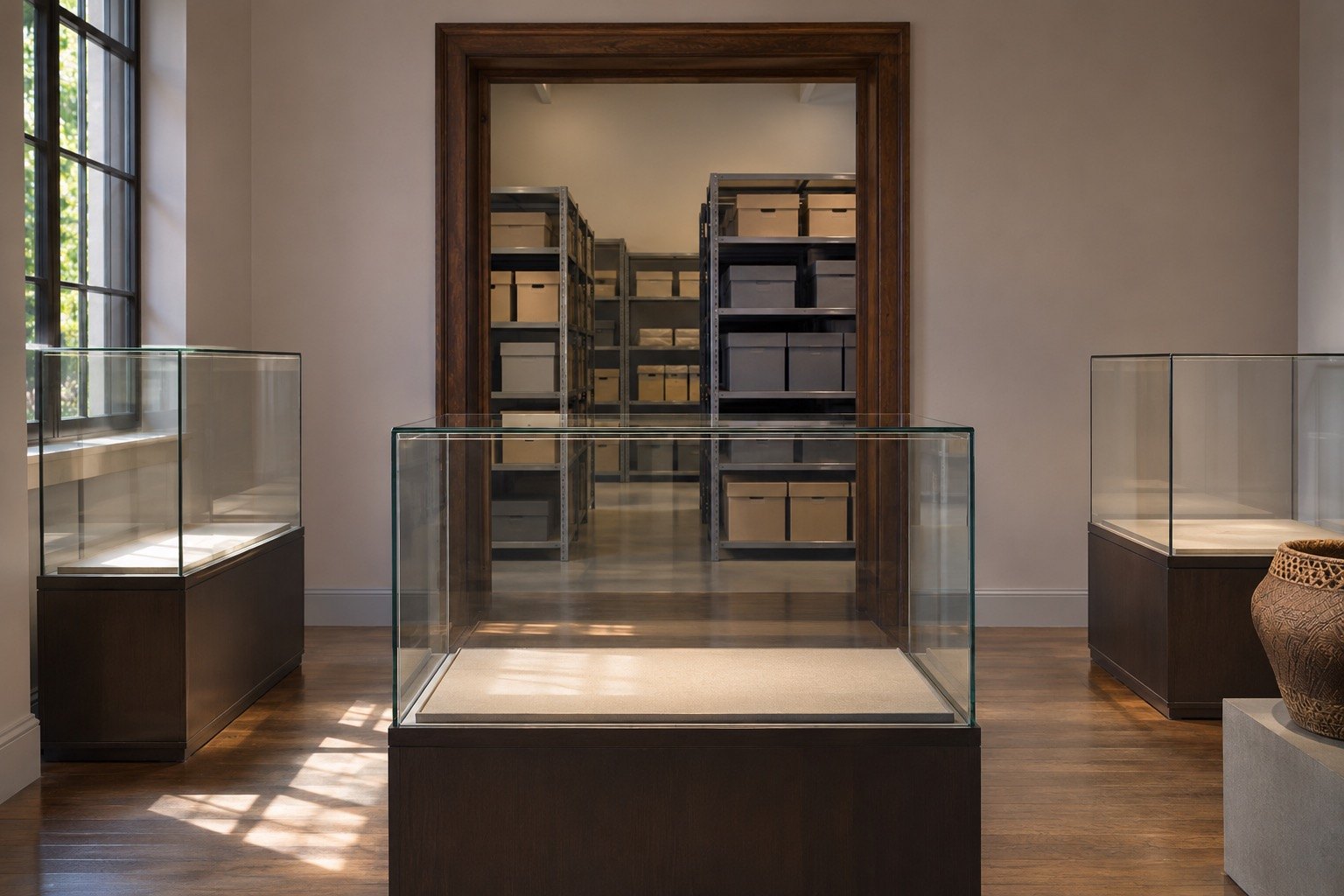
On 9 November 2026 the University of Oxford transferred custodianship of 39 Naga ancestral remains held at its Pitt Rivers Museum. They went to two Naga bodies, the Naga Tribe Hoho and the Forum for Naga Reconciliation (FNR). The remains, mostly skulls, were taken during colonial rule. The handover closes a Naga-led repatriation process that began in 2020.
Syllabus: GS1 · Art & Culture; Prelims · Current Affairs & IR; GS1 · Modern Indian History
Why this matters for UPSC
GS1 culture and GS2 international instruments: repatriation of heritage and indigenous rights. Prelims can ask UNDRIP Article 12 and the 1970 Convention; Mains, colonial collections.
Why it matters
For Naga families and clans, the return means ancestors taken during colonial rule can now be laid to rest in their own homeland, as the tribes asked in their joint declaration. The terms were set through years of talks between a museum and the community, with the Naga side deciding how their ancestors should be cared for. Naga leaders say every Naga remain held in museums abroad should come back, so other institutions may face similar claims. The case is part of a wider change in which museums treat human remains as ancestors owed dignity, not as specimens, and in which indigenous peoples help decide the fate of their own heritage.
Prelims pointers
- Article 12 of UNDRIP also gives indigenous peoples the right to use and control their ceremonial objects and to access their religious and cultural sites in privacy.
- The UNESCO 1970 Convention deals with illicit trade in cultural property between States; UNDRIP, a 2007 UN declaration, sets out the rights of indigenous peoples, including return of remains.
- Under the 1970 Convention, cultural property is what each State specifically designates as important for archaeology, prehistory, history, literature, art or science.
- The Antiquities and Art Treasures Act, 1972 treats a manuscript or record of historical, scientific, literary or aesthetic value as an antiquity once it is 75 years old.
- Under the 1972 Act, an art treasure is a work of art, not an antiquity, declared by the Centre for its artistic value; no living author's work qualifies.
- The Customs Act, 1962 applies to antiquities and art treasures whose export by private persons the 1972 Act prohibits.
- The Pitt Rivers Museum holds the world's largest collection of Naga material, by its own account.
Practise a UPSC-style question
With reference to the United Nations Declaration on the Rights of Indigenous Peoples (UNDRIP), consider the following statements:
1. It recognises the right of indigenous peoples to the repatriation of their human remains.
2. It was adopted by the General Conference of UNESCO.
3. It asks States to build repatriation mechanisms in conjunction with the indigenous peoples concerned.
Which of the statements given above is/are correct?
- (a) 1 and 2 only
- (b) 2 and 3 only
- (c) 1 and 3 only
- (d) 1, 2 and 3
Show the answer
Answer: (c) 1 and 3 only
Answer: (c) 1 and 3 only. Both are in Article 12 of UNDRIP; the adopting body in statement 2 is wrong.
Statement 1: correct. Article 12 of UNDRIP lists the right of indigenous peoples to the repatriation of their human remains, beside the use and control of ceremonial objects.
Statement 2: incorrect. UNDRIP was adopted by the United Nations General Assembly in 2007; UNESCO's General Conference adopted the 1970 Convention on illicit trade in cultural property.
Statement 3: correct. Article 12 asks States to enable access to or repatriation of ceremonial objects and human remains through fair, transparent and effective mechanisms developed with the peoples concerned.
Eliminate: statement 2 credits the wrong body, so every option carrying 2 goes. Out: (a), (b), (d).
Trap: Swapped attribution. UNESCO is the best-known heritage body, so a student may credit it with every text on cultural property and remains.
Remember: UNDRIP (UN General Assembly, 2007), Article 12: right to repatriation of human remains.
More from the 12 November 2026 edition
- Swachh Survekshan 2025-26 awards: 4,751 cities assessed, Swachh Shehar Jodi added National
- MHA trims visa categories to nine; Tourist Visa becomes Visitor Visa National
- First BIMSTEC Health Ministers' Meeting adopts regional public health action plan World & IR
- Finance Ministry makes electric vehicles the default for central staff cars Environment
- Cabinet approves Yuge Yugeen Bharat Museum in North and South Blocks National
- Cabinet extends Stand-Up India and Mudra guarantee fund to 2031 Economy
- Cabinet approves Nutrient Based Subsidy rates for Rabi 2026-27: Rs 62,370 crore National
- DGFT prohibits export of lithium-ion battery black mass Economy
- DGTR opens suo motu anti-dumping probe into aluminium extrusion imports Economy
- Downstream alliance sets 10-day deadline for Dibang dam safeguards Environment
- M. John Harrison wins Booker Prize 2026, its oldest winner at 81 Miscellany
- Centre extends PLI scheme for medical devices to 2035-36, invites applications Economy