
DGTR opens suo motu anti-dumping probe into aluminium extrusion imports
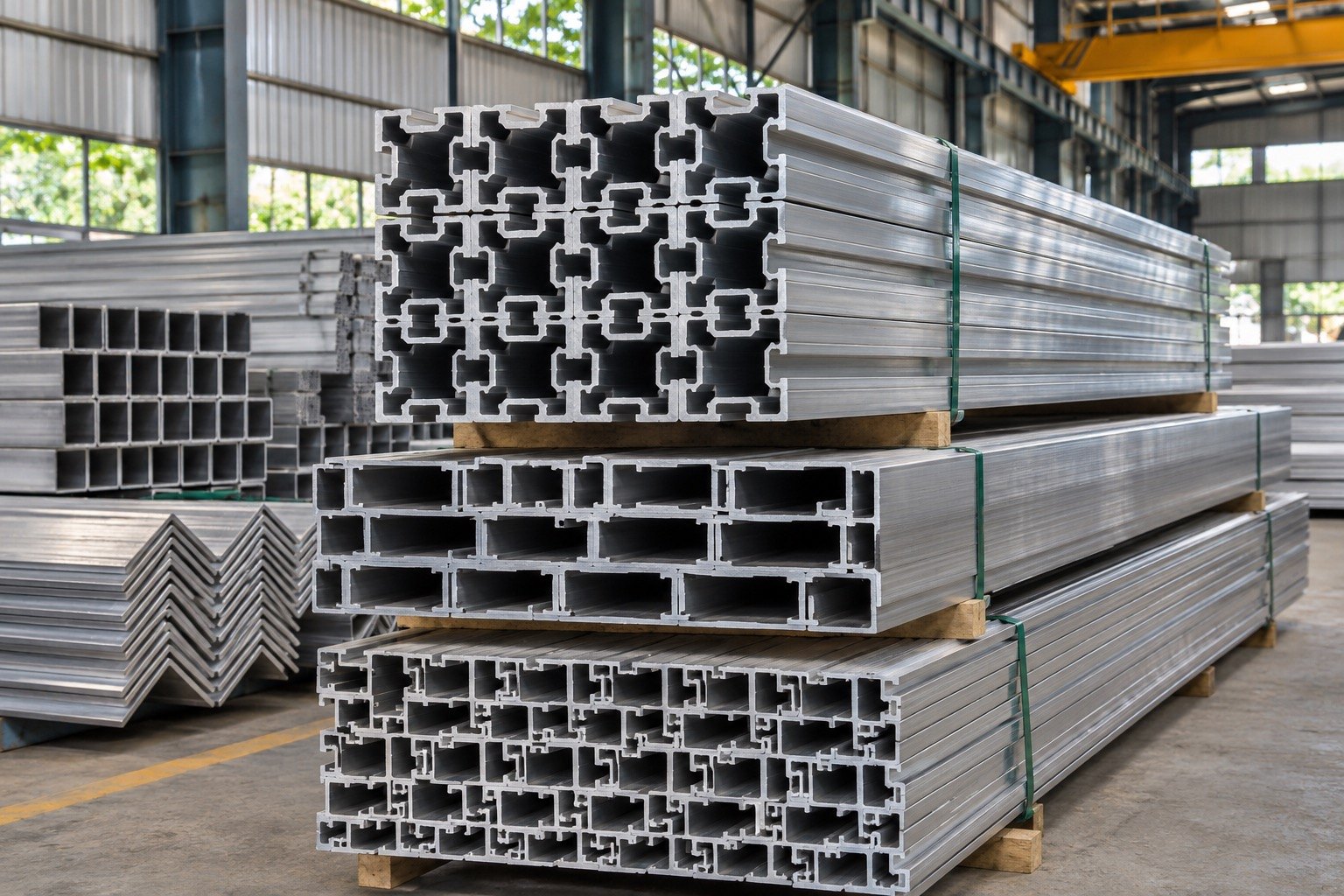
The Directorate General of Trade Remedies (DGTR) began an anti-dumping investigation on its own motion on 9 November 2026 into aluminium extrusion profiles, structures and articles from China, Malaysia, Vietnam and Thailand. These four countries supplied about 90% of India's imports of the goods, the DGTR said. The industry body behind the request represents 228 manufacturers, mostly MSMEs.
Syllabus: GS3 · Indian Economy & Growth; GS3 · Liberalisation & Industry; GS2 · International Institutions
Why this matters for UPSC
GS3 economy: trade remedies, the DGTR and the WTO's anti-dumping rules. Prelims can ask who imposes the duty and its cap; Mains, MSME protection versus cheaper imports.
Why it matters
Think of the owner of a small unit that makes window frames, railings or ladders from aluminium. Such a unit may lack the know-how to run a trade remedy case alone, so the government starting the case removes that hurdle. If a duty follows, imported profiles would cost more at the border, giving Indian units room to recover prices and use idle machines. Builders, solar installers and furniture makers who buy these goods could pay more. Cheap imports help buyers, so the case turns on whether they also cause real harm to Indian makers. It sits inside a wider worry: surplus capacity in some economies pushes goods abroad at low prices.
Prelims pointers
- Section 9A of the Customs Tariff Act, 1975 lets the Central Government impose anti-dumping duty by notification, up to the margin of dumping.
- An anti-dumping duty ceases five years after imposition unless revoked earlier; a review can extend it by up to five more years.
- Under the Anti-Dumping Rules, 1995, no case starts on an application if supporting producers make less than 25% of domestic output of the like article.
- The WTO's Anti-Dumping Agreement implements Article VI of GATT 1994 and requires dumping, material injury and a causal link before any measure.
- For non-market economies, GATT 1994 and the Anti-Dumping Agreement accept that home-market prices may not suit a normal-value comparison.
- Anti-dumping duty does not apply by default to imports by export-oriented undertakings or special economic zone units.
Practise a UPSC-style question
With reference to anti-dumping duty in India, consider the following statements:
1. It is imposed by the Directorate General of Trade Remedies by notification in the Official Gazette.
2. It cannot exceed the margin of dumping in relation to the article concerned.
3. It is charged in addition to any other duty imposed under the Customs Tariff Act, 1975.
Which of the statements given above is/are correct?
- (a) 1 and 2 only
- (b) 2 and 3 only
- (c) 1 and 3 only
- (d) 1, 2 and 3
Show the answer
Answer: (b) 2 and 3 only
Answer: (b) 2 and 3 only. The duty is capped at the dumping margin and comes on top of other duties.
Statement 1: incorrect. Under Section 9A of the Customs Tariff Act, 1975 the Central Government imposes the duty; the DGTR investigates and recommends.
Statement 2: correct. Section 9A allows an anti-dumping duty not exceeding the margin of dumping on the article.
Statement 3: correct. The Act makes anti-dumping duty additional to any other duty under it or any other law in force.
Eliminate: statement 1 pins the Centre's power on the investigating body, so it is wrong. Out: (a), (c), (d).
Trap: Swapped attribution. The DGTR runs the probe, so a student may credit it with imposing the duty, which is the Central Government's act.
Remember: DGTR recommends; the Central Government (Finance Ministry) imposes, up to the dumping margin.
More from the 12 November 2026 edition
- Swachh Survekshan 2025-26 awards: 4,751 cities assessed, Swachh Shehar Jodi added National
- MHA trims visa categories to nine; Tourist Visa becomes Visitor Visa National
- First BIMSTEC Health Ministers' Meeting adopts regional public health action plan World & IR
- Finance Ministry makes electric vehicles the default for central staff cars Environment
- Cabinet approves Yuge Yugeen Bharat Museum in North and South Blocks National
- Cabinet extends Stand-Up India and Mudra guarantee fund to 2031 Economy
- Cabinet approves Nutrient Based Subsidy rates for Rabi 2026-27: Rs 62,370 crore National
- DGFT prohibits export of lithium-ion battery black mass Economy
- Downstream alliance sets 10-day deadline for Dibang dam safeguards Environment
- M. John Harrison wins Booker Prize 2026, its oldest winner at 81 Miscellany
- Centre extends PLI scheme for medical devices to 2035-36, invites applications Economy
- Supreme Court's Central Empowered Committee seeks river sand phase-out, dam desilting Environment