
Biosphere Reserves: the three zones, the MAB network and India's 18 reserves
Why in news: PIB issued a backgrounder on India's biosphere reserves on 2 November 2026, ahead of the International Day for Biosphere Reserves on 3 November.
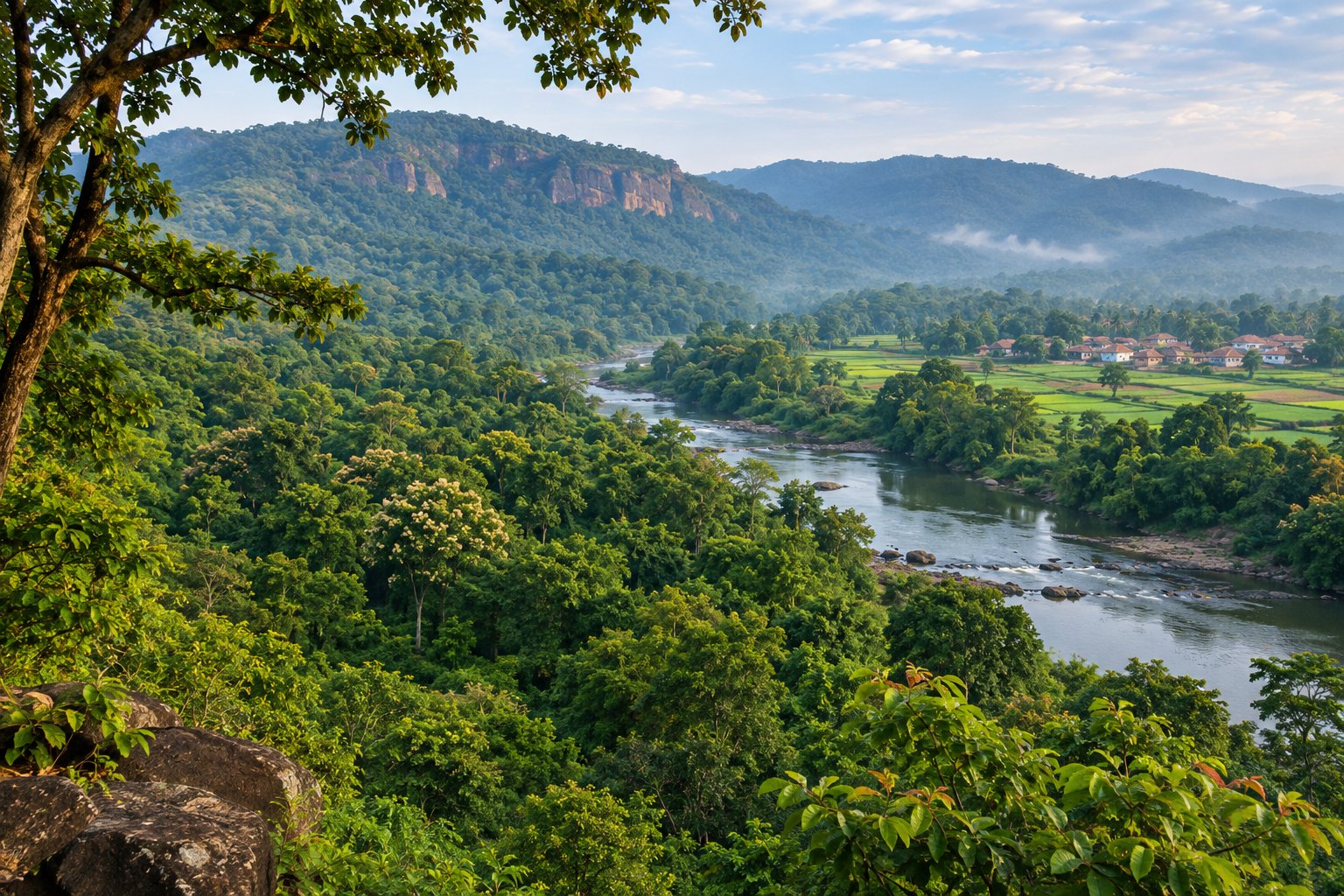
Biosphere reserves are sites, proposed by national governments and designated by UNESCO under its Man and the Biosphere (MAB) Programme, that join strict conservation with local livelihoods through three zones. The Environment Ministry counts 18 in India, 13 of them listed in UNESCO's world network. PIB published a backgrounder on them on 2 November 2026.
Syllabus: Prelims · Geography; Prelims · Environment & Ecology; GS3 · Environment & Conservation
Why this matters for UPSC
GS3 environment: conservation and protected areas. Prelims asks zones, MAB facts and which reserve lies in which State; Mains, conservation with livelihoods.
In short
A biosphere reserve is a site designated by UNESCO under its Man and the Biosphere (MAB) Programme to show that biodiversity conservation and sustainable development can work together.
Biosphere reserves will work only if strict protection of core areas is matched by secure, sustainable livelihoods in the transition areas around them.
Why it matters
A herder in Spiti or a fisher on the Tamil Nadu coast lives inside a biosphere reserve, not outside a fence. The model accepts that such people will keep using the land and sea, and asks them to do so in ways that leave forests, reefs and pastures standing. Where it works, families earn from crafts, ecotourism or regulated harvests while wildlife keeps its refuge. Where it fails, the core shrinks under grazing, fuelwood cutting or invasive weeds. The idea matters well beyond India, because most of the world's remaining wild places are also somebody's home.
Prelims pointers
- Globally, a biosphere reserve averages 18% core, 30% buffer and 52% transition area, per PIB.
- UNESCO's MAB International Co-ordinating Council prepares the Technical Guidelines used for designating biosphere reserves and for their periodic review.
- UNESCO's network has 797 reserves in 145 countries, covering over 5% of Earth's land; Brazil's Mata Atlantica reserve is the largest.
- Great Rann of Kutch in Gujarat is India's largest biosphere reserve by area, 12,454 sq km; Dibru-Saikhowa in Assam is the smallest, 765 sq km.
- Marine and island reserves: Gulf of Mannar (Tamil Nadu), Sundarbans (West Bengal) and Great Nicobar (Andaman and Nicobar Islands).
- Look-alike: National Parks and Wildlife Sanctuaries are notified under India's wildlife laws; a biosphere reserve is a MAB designation that also includes villages.
Practise a UPSC-style question
With reference to the zones of a biosphere reserve, consider the following statements:
1. On average, core areas make up the largest share of a biosphere reserve's total area worldwide.
2. Regulated ecotourism and environmental education are activities allowed in the buffer zone.
3. Human settlements and sustainable farming are carried on in the transition area.
Which of the statements given above is/are correct?
- (a) 1 and 2 only
- (b) 2 and 3 only
- (c) 1 and 3 only
- (d) 1, 2 and 3
Show the answer
Answer: (b) 2 and 3 only
Answer: (b) 2 and 3 only. The buffer and transition roles are right; the core is the smallest share, not the largest.
Statement 1: incorrect. Worldwide, biosphere reserves average 18% core, 30% buffer and 52% transition area, per PIB; the transition area is the largest.
Statement 2: correct. The buffer zone rings or borders the core and allows research, environmental education and regulated ecotourism.
Statement 3: correct. The transition area is the outer zone where communities live and practise sustainable agriculture, forestry and ecotourism.
Eliminate: statement 1 is wrong, since the core is the smallest zone. Out: (a), (c), (d).
Trap: Reversed direction. The strictest zone sounds like it should be the biggest, but most of a reserve is set aside for people, not strict protection.
Remember: Core 18%, buffer 30%, transition 52%: the people's zone is the largest.
More Explainers
- Zero FIR: Section 173 of the BNSS and where it stops Polity
- Enforcement Directorate's PMLA powers depend on a scheduled offence Polity
- Preventive detention: Article 22 and the National Security Act, 1980 Polity
- Prohibition of Child Marriage Act, 2006 and Bal Vivah Mukt Bharat National
- Liberalised Remittance Scheme (LRS) under FEMA, 1999 Economy
- Carbon sinks: why the Amazon now releases more carbon than it absorbs Environment
- Pharmacovigilance and materiovigilance: how India tracks harm from medicines and devices National
- UGC equity regulations, 2026, against discrimination in higher education Polity
- Space debris and India's Debris Free Space Mission goal for 2030 Sci-Tech
- Somnath temple: Prabhas Patan's jyotirlinga, its destruction and 1951 rebuilding National
- Food safety enforcement: FSSAI, State Commissioners and central licensing Polity
- Safe harbour for internet intermediaries under Section 79 of the IT Act Polity