
DGHS bars reuse of single-use medical devices in all hospitals
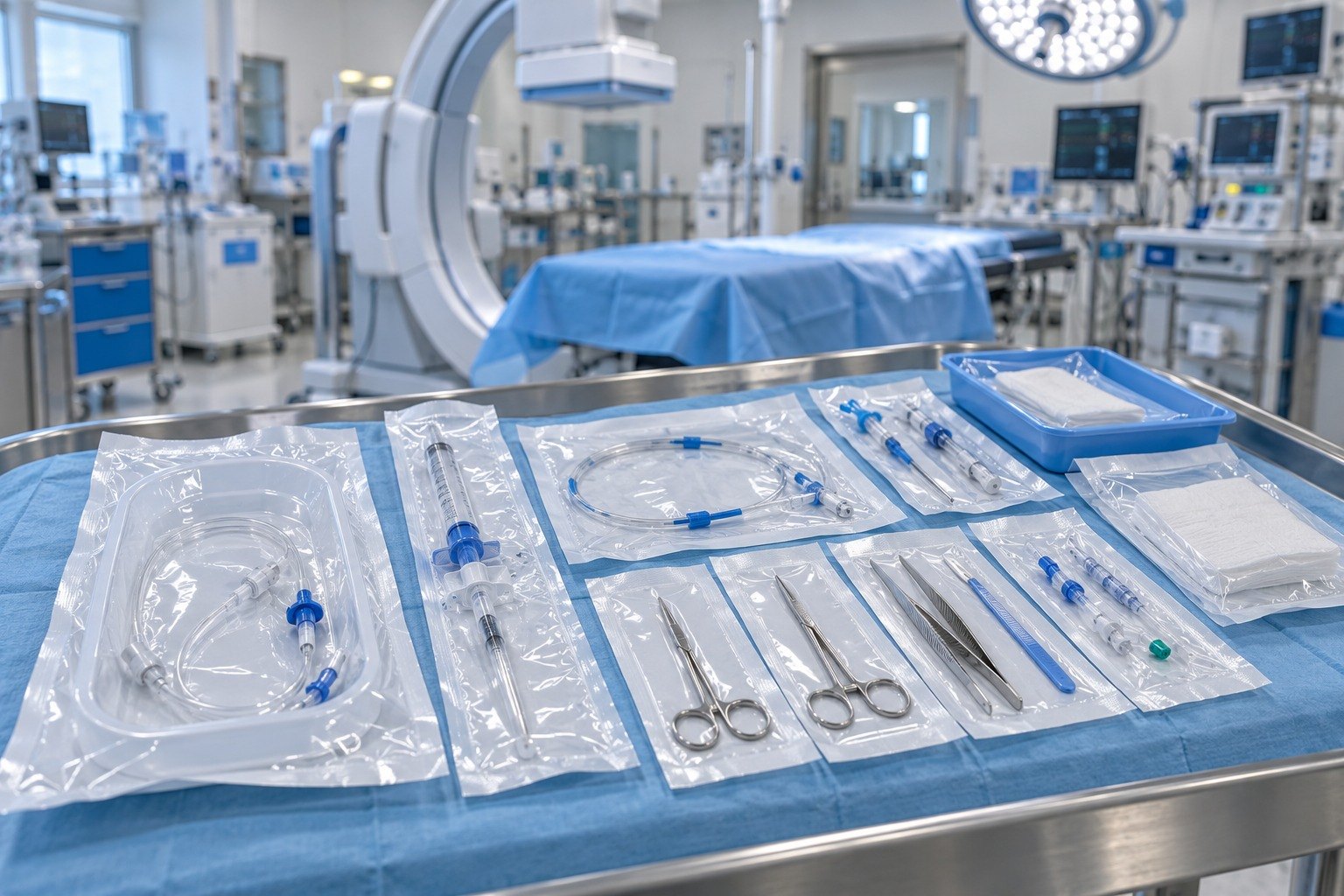
The Directorate General of Health Services (DGHS) has prohibited the reuse of single-use medical devices and disposable surgical items. The ban, in a letter dated 16 October 2026, covers all public and private healthcare facilities. States, Union Territories, the Drugs Controller General of India and State drug controllers have been asked to inspect hospitals and act against violations.
Syllabus: Prelims · Polity & Governance; GS2 · Statutory & Regulatory Bodies; GS2 · Health, Education & Human Resources
Why this matters for UPSC
GS2 health governance: Prelims can ask how the Drugs and Cosmetics Act, 1940 and the Medical Devices Rules, 2017 regulate devices and who licenses them; Mains, about patient safety and regulating private hospitals.
Why it matters
A patient having an angioplasty or dialysis expects a fresh catheter or dialyser. If a hospital cleans and reuses one meant for a single use, germs left inside can pass hepatitis or HIV from one patient to the next, and a worn device can fail mid-procedure. The patient may still pay the full price, or government authorities may reimburse it, so the public purse loses too. The larger issue is how far health regulators can see inside private hospitals: the rules exist, but they work only if inspectors check records and act.
Prelims pointers
- MDR 2017 licensing: the Central Licensing Authority covers imports and Class C and D manufacture; State Drugs Controllers cover Class A and B manufacture and all sales.
- MDR 2017 risk classes: A low, B low moderate, C moderate high, D high; in vitro diagnostics are classed separately, under Part II of the First Schedule.
- S.O. 648(E): the device definition covers instruments, implants, software and accessories, and excludes products acting mainly by pharmacological, immunological or metabolic means.
- Section 18, Drugs and Cosmetics Act, 1940: bars making or selling misbranded, adulterated, spurious or substandard drugs, and doing so without a licence.
- Clinical Establishments Act, 2010: in force since 1 March 2012 in Arunachal Pradesh, Himachal Pradesh, Mizoram, Sikkim and Union Territories except Delhi; other States adopt it under Article 252(1).
Practise a UPSC-style question
With reference to the Directorate General of Health Services' October 2026 directive on single-use medical devices, consider the following statements:
1. It was issued as an amendment to the Medical Devices Rules, 2017.
2. It applies to public and private healthcare facilities under the Centre, the States and the Union Territories.
Which of the statements given above is/are correct?
- (a) 1 only
- (b) 2 only
- (c) Both 1 and 2
- (d) Neither 1 nor 2
Show the answer
Answer: (b) 2 only
Answer: (b) 2 only. The directive is an administrative letter that enforces existing laws across all public and private facilities.
Statement 1: incorrect. The DGHS letter is an administrative directive; it cites the Drugs and Cosmetics Act, 1940, the Medical Devices Rules, 2017 and the Clinical Establishments Act, 2010 without amending them.
Statement 2: correct. The prohibition covers all healthcare organisations, public and private, under the administrative jurisdiction of the Centre, States and Union Territories.
Eliminate: Statement 2 is correct, since the ban names both public and private facilities. Out: (a), (d).
Eliminate: Statement 1 is incorrect, since a letter enforcing the rules does not amend them. Out: (c).
Trap: Wrong scope. A strong central directive can be mistaken for a change in the rules themselves, which needs a notification.
Remember: The 2026 DGHS ban enforces existing law; it is not a new rule.
More from the 25 October 2026 edition
- Road Ministry seeks CERT-In audit of VAHAN, SARATHI over data on sale Sci-Tech
- Bundibugyo Ebola: TUMAINI vaccine trial starts in DR Congo; outbreak reaches Nigeria Sci-Tech
- MHA's Ladakh draft: proposed Article 371K body, regulations need L-G assent Polity
- AgriStack and the Farmer ID: how India's farmer registry works Economy
- DRDO's Air Independent Propulsion module for submarines enters Setting to Work Phase-2 Defence