
FSSAI proposes maximum residue limits for two neonicotinoids in tea
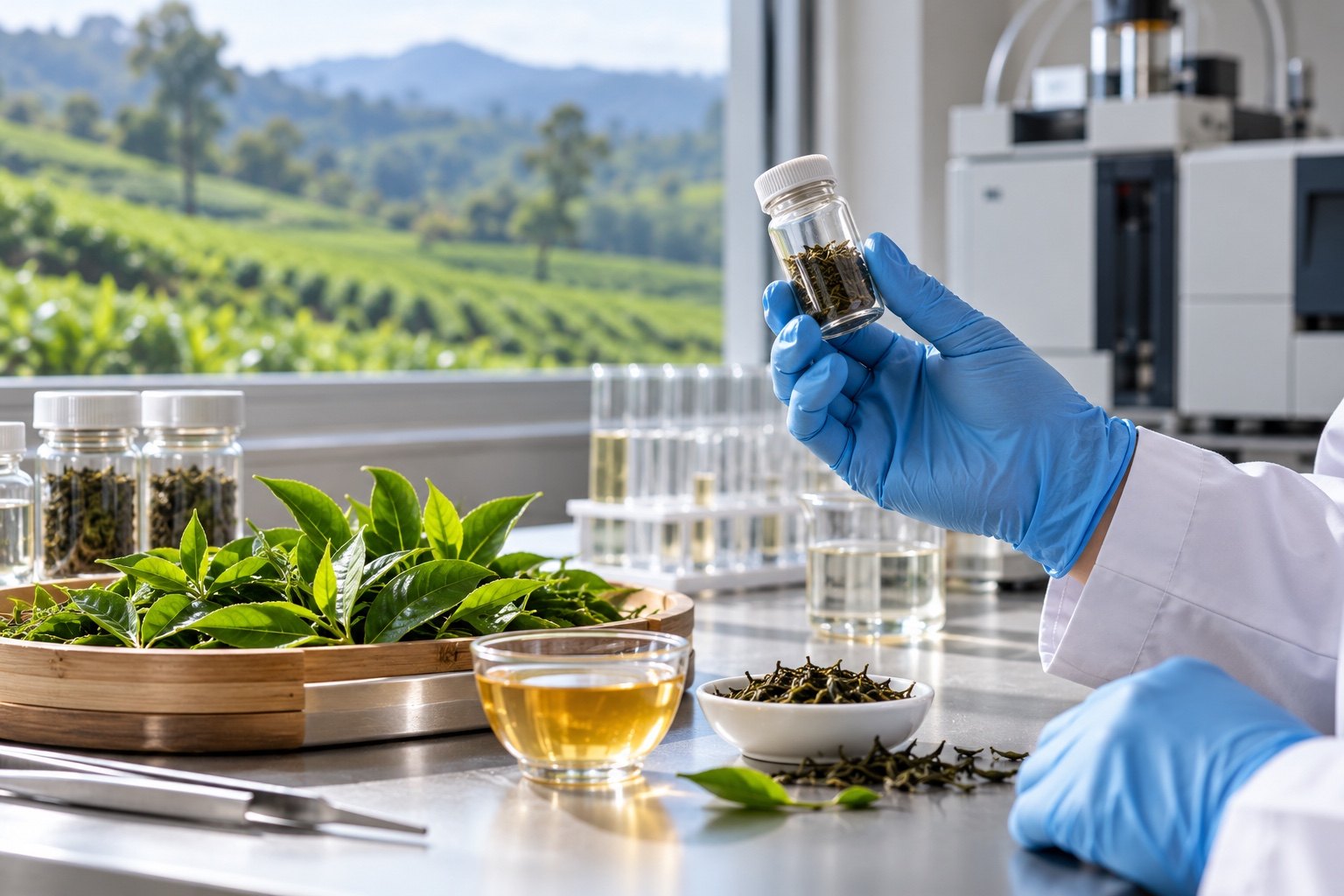
The Food Safety and Standards Authority of India (FSSAI) has proposed maximum residue limits (MRLs) of 20 mg/kg for acetamiprid and 50 mg/kg for imidacloprid in tea. The draft Food Safety and Standards (Contaminants, Toxins and Residues) Amendment Regulations, 2026 appeared in the Gazette of India on 16 October 2026. Objections and suggestions are invited for 60 days.
Syllabus: GS3 · Agriculture & Irrigation; GS3 · Food Processing; GS2 · Statutory & Regulatory Bodies
Why this matters for UPSC
GS3 agriculture and GS2 health regulation: Prelims can ask what maximum residue limits are, who sets them under the Food Safety and Standards Act, 2006, and what Codex and neonicotinoids are; Mains, about balancing crop protection with food safety.
Why it matters
A small tea grower in the Northeast who sprays against the tea mosquito bug has had two approved chemicals but no notified maximum residue limit for how much of them may stay in the leaf, so a batch could fail a laboratory test. A fixed limit tells the grower, the factory and the exporter what a passing sample looks like, and tells laboratories and food safety officers what to enforce. For the person drinking the tea, it is the line the regulator draws on safety. The larger question is how India weighs crop protection against consumer health, and whether its pesticide law and its food law move in step.
Prelims pointers
- Section 21, FSS Act, 2006: no food may carry pesticide, veterinary drug or antibiotic residues above tolerance limits set by regulations; only registered fumigants may be applied directly to food.
- Section 92, FSS Act, 2006: FSSAI makes regulations with the Central Government's previous approval, after previous publication of the draft.
- Section 4(3), FSS Act, 2006: FSSAI's head office is at Delhi; under section 92(2)(u), its regulations may guide participation in Codex meetings and responses to Codex matters.
- Insecticides Act, 1968: in force from 1 August 1971; registration of pesticides is compulsory at the Central level, while licences to manufacture, formulate and sell are State matters.
- CIB&RC sits in the Directorate of Plant Protection, Quarantine & Storage, Department of Agriculture and Farmers Welfare, Ministry of Agriculture and Farmers Welfare.
- Codex standards are voluntary, but the WTO's SPS Agreement refers to them; a member applying stricter food safety measures may have to justify them scientifically.
- Neonicotinoids are systemic: the plant carries them to its leaves, flowers, roots, stems, pollen and nectar; they are far more toxic to insects than to mammals or birds.
- In the European Union, imidacloprid's approval expired on 1 December 2020, after its outdoor uses had been restricted to protect bees.
Practise a UPSC-style question
With reference to the regulation of pesticides in India, consider the following statements:
1. Maximum residue limits of pesticides in food are notified by the Central Insecticides Board and Registration Committee under the Insecticides Act, 1968.
2. Under the Insecticides Act, 1968, licences to manufacture and sell pesticides are granted by the Central Government.
Which of the statements given above is/are correct?
- (a) 1 only
- (b) 2 only
- (c) Both 1 and 2
- (d) Neither 1 nor 2
Show the answer
Answer: (d) Neither 1 nor 2
Answer: (d) Neither 1 nor 2. Residue limits are FSSAI's job, and licences to make and sell pesticides are issued by the States.
Statement 1: incorrect. Pesticide residue limits in food are set by FSSAI through regulations under the Food Safety and Standards Act, 2006; CIB&RC registers pesticides.
Statement 2: incorrect. The Insecticides Act, 1968 makes registration central, but licences to manufacture, formulate and sell pesticides are dealt with at State level.
Eliminate: Statement 1 is wrong, since FSSAI's own 2026 draft proposes the tea limits. Out: (a), (c).
Eliminate: Statement 2 is wrong, since licensing is a State function. Out: (b).
Trap: Swapped attribution. Each statement pins a true function on the wrong authority: the food regulator's limits on the pesticide registrar, and the States' licensing on the Centre.
Remember: CIB&RC says which pesticide may be used; FSSAI says how much residue food may carry; States license sale.
More from the 17 October 2026 edition
- Supreme Court: internet access a fundamental right, children included Polity
- FSSAI draft would bar added sucrose and fructose in infant foods National
- US President waives Graham Act tariffs on Russian oil buyers World & IR
- Jaishankar and Rubio to review India-US partnership in Mumbai on 20 October World & IR
- CGPM ends leap seconds in UTC from 20 May 2027 Sci-Tech
- President's Article 240 regulation recasts Ladakh hill councils for seven districts Polity