
India logs 3,832 child leprosy cases, far above 2025-26 target
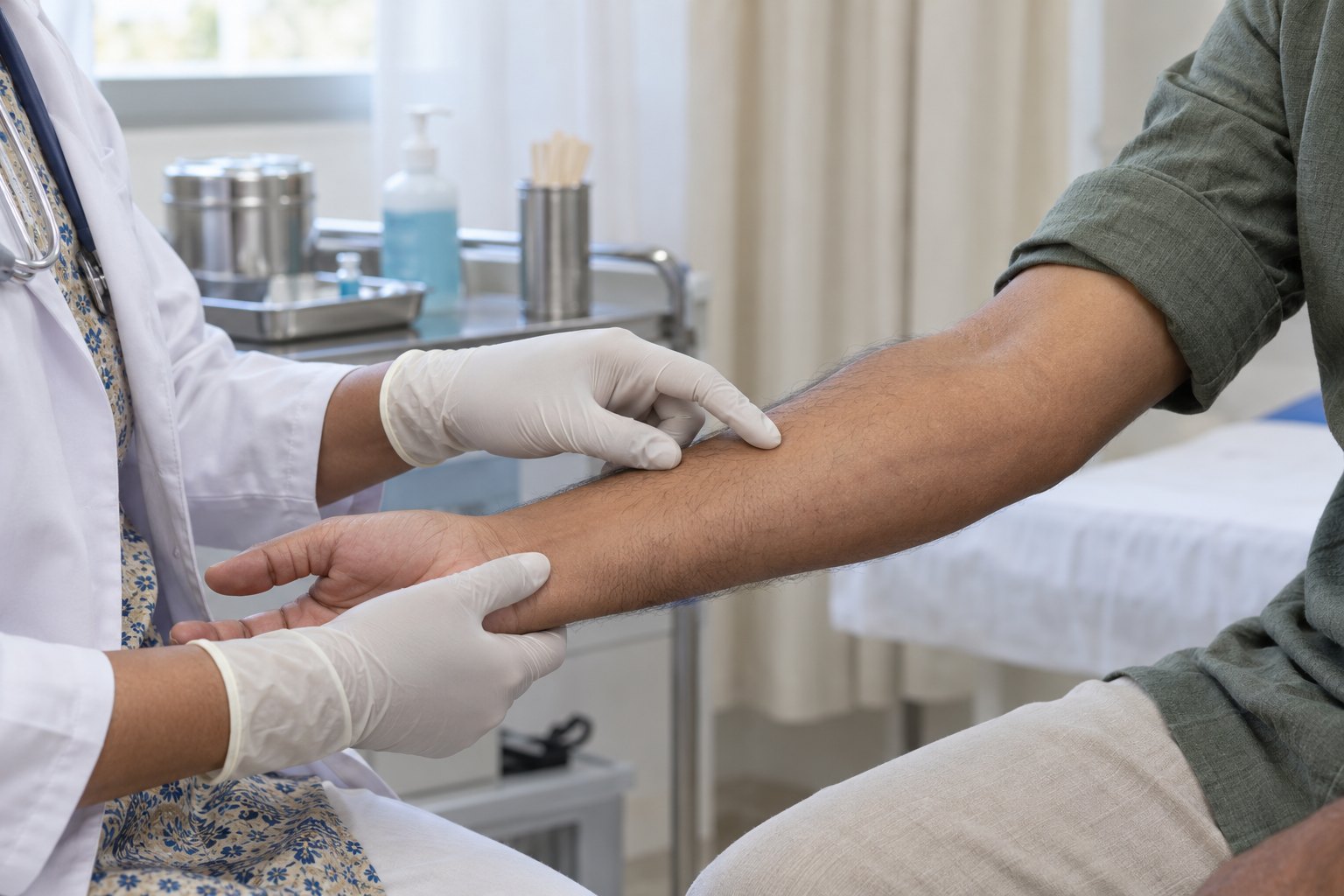
India detected 3,832 new leprosy cases among children in 2025-26, 91.6% above the National Leprosy Eradication Programme's target of 2,000, its annual report shows. Thirty-seven children already had Grade-2 disability at diagnosis, signalling late detection. Overall, 91,783 new cases were found nationwide, complicating India's plan to interrupt district-level transmission by 2027.
Syllabus: Prelims · Economy & Social Development; Prelims · Science & Technology; GS2 · Health, Education & Human Resources
Why it matters
Child cases show why India's national elimination status cannot be treated as proof that transmission has ended. The official programme data make early diagnosis, contact surveys and disability prevention concrete health-policy priorities. For UPSC, the useful distinction is between prevalence, new-case detection and interruption of transmission. The disease is curable and public services provide treatment, so delayed diagnosis is also a question of access and stigma. A child's diagnosis alone cannot locate or date the infection; surveillance indicators require careful interpretation.
Prelims pointers
- Leprosy is caused mainly by Mycobacterium leprae and affects the skin and peripheral nerves.
- Multidrug therapy, a combination of antibiotics, cures leprosy and is provided free.
- A district interrupts transmission after five consecutive years of zero new indigenous child cases.
- WHO: child cases under 15 signal recent transmission; Grade-2 disability signals delayed diagnosis.
- The average incubation period of leprosy is about five years and can be much longer.
Practise a UPSC-style question
Consider the following statements regarding the WHO's view of leprosy indicators:
1. New cases among children below 15 years indicate recent transmission.
2. Grade-2 disability among newly detected patients indicates delayed diagnosis.
3. A single child case by itself establishes when and where the infection occurred.
Which of the statements given above is/are correct?
- (a) 1 only
- (b) 1 and 2 only
- (c) 2 and 3 only
- (d) 1, 2 and 3
Show the answer
Answer: (b) 1 and 2 only
WHO treats child cases as a sign of recent transmission and G2D as a sign of late diagnosis. It also cautions that a child case alone cannot establish when or where infection occurred.
More from the 4 October 2026 edition
- PMAY-G 2.0: 3 lakh Andhra houses, 3D concrete-printed pilot in Guntur National
- IAF needs 36-40 fighters a year, says Air Chief A P Singh Defence
- Uttarakhand publishes post-SIR voter roll, about 8 lakh fewer electors Polity
- Sal borer outbreak prompts tree felling and trapping in Dindori Environment
- India's food market pegged at $550-600 billion, says MoFPI official Economy
- Railways use AI alerts and Plan Bee to protect elephants Environment
- Apple pulls Bitchat from India App Store after MeitY demand National
- Education Ministry approves five Centres of Excellence for classical languages National