
CCPA fines seller Rs 10 lakh for listing anti-drone jammer online
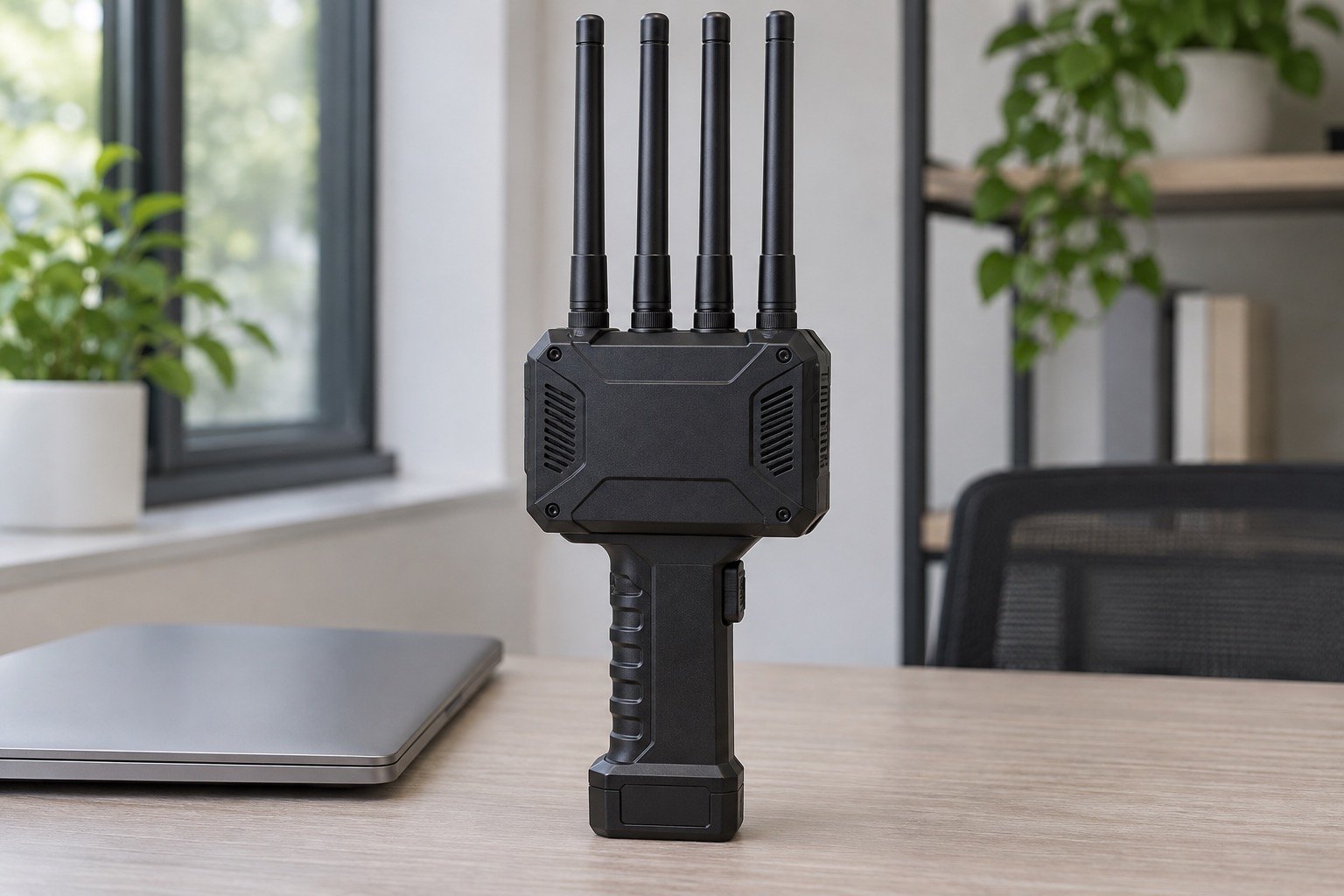
The Central Consumer Protection Authority (CCPA) has fined AirOne Robotics Rs 10 lakh for offering an anti-drone gun on the IndiaMART marketplace without regulatory authorisations or required disclosures. It held the listing a misleading advertisement and an unfair trade practice under the Consumer Protection Act, 2019. The firm must file a compliance report within 15 days.
Syllabus: Prelims · Polity & Governance; GS2 · Statutory & Regulatory Bodies; GS3 · Cyber Security & Money Laundering
Why this matters for UPSC
GS2 statutory bodies and GS3 internal security: CCPA's powers and India's curbs on jammers. Prelims can ask CCPA's parent Act and penalty limits; Mains, regulating online sale of restricted goods.
Why it matters
A buyer who sees a jammer priced and marked 'In stock' on a big shopping site may assume it is legal to own. It is not: a civilian who buys and switches one on breaks telecom law and can jam licensed GPS and radio signals that others rely on. The consumer regulator now treats the missing warning as a misleading advertisement. That makes the seller pay for what the listing left out, without waiting for telecom or security agencies to trace each device later. Online marketplaces, already bound to exercise due diligence, face closer scrutiny of what sellers put up. The case also shows how a consumer law can back up security controls on dual-use gadgets such as counter-drone equipment.
Prelims pointers
- The consumer rights in the Consumer Protection Act, 2019 include the right to be informed about the quality, quantity, potency, purity, standard and price of goods.
- CCPA can bar an endorser of a false or misleading advertisement from endorsing for up to one year, and up to three years for a repeat.
- An endorser who took due care to verify an advertisement's claims is not liable to a penalty under the 2019 Act.
- CCPA is the regulator that acts against misleading advertisements; the National Consumer Disputes Redressal Commission, set up under the same Act, decides consumer disputes.
- Jamming equipment is licensed under the Indian Telegraph Act, 1885 and the Indian Wireless Telegraphy Act, 1933, through the Department of Telecommunications and Wireless Planning and Coordination.
- The Consumer Protection (E-Commerce) Rules, 2020 require marketplace e-commerce entities to exercise due diligence and comply with applicable laws.
Practise a UPSC-style question
With reference to the Central Consumer Protection Authority (CCPA), consider the following statements:
1. It consists of a President and members drawn from the National Consumer Disputes Redressal Commission.
2. It is established under section 10 of the Consumer Protection Act, 2019.
3. It works under the Ministry of Consumer Affairs, Food and Public Distribution.
Which of the statements given above is/are correct?
- (a) 1 and 2 only
- (b) 2 and 3 only
- (c) 1 and 3 only
- (d) 1, 2 and 3
Show the answer
Answer: (b) 2 and 3 only
Answer: (b) 2 and 3 only. The Authority's parent law and ministry are right; its make-up is wrong.
Statement 1: incorrect. CCPA consists of a Chief Commissioner and other Commissioners appointed by the Central Government; the National Commission is a separate body.
Statement 2: correct. Section 10 of the Consumer Protection Act, 2019 lets the Central Government set up CCPA by notification.
Statement 3: correct. PIB releases on CCPA's jammer notices come from the Ministry of Consumer Affairs, Food and Public Distribution.
Eliminate: statement 1 swaps in the National Commission's set-up, so any option with 1 goes. Out: (a), (c), (d).
Trap: Look-alike names. The National Consumer Disputes Redressal Commission and CCPA both come from the 2019 Act, but one decides disputes and the other regulates.
Remember: CCPA = section 10 of the 2019 Act, Chief Commissioner plus Commissioners.